



Denmark Moves to Restrict Social Media Access for Under-15s Amid Rising Youth Concerns
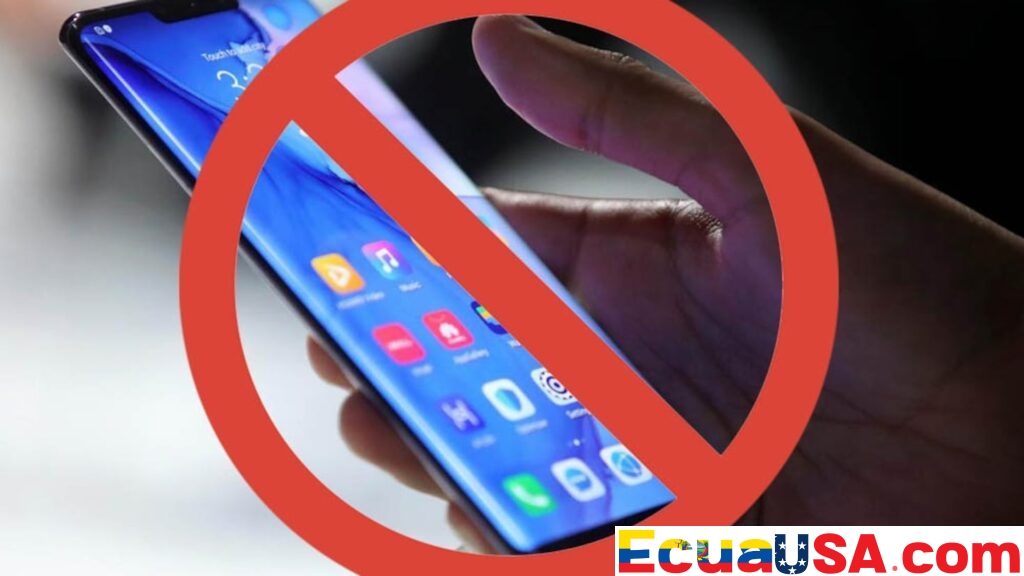
Denmark is taking a significant step toward protecting young people online by proposing a law that would restrict social media access for children under 15. Under the policy, minors aged 13–14 would be allowed to use social media only with parental consent, while younger children would be prohibited from accessing these platforms entirely. Authorities cite concerns over online risks such as cyberbullying, exposure to inappropriate or harmful content, addiction to digital devices, and negative mental health impacts including anxiety and depression.
The proposed legislation comes amid growing international attention on the effects of social media on youth well-being. Recent studies show that early exposure to social networks can affect attention spans, self-esteem, and sleep patterns, while increasing vulnerability to harmful trends and online peer pressure. Danish officials argue that by delaying social media access, children will have more time to develop social and cognitive skills offline, preparing them for responsible online participation at a later age.
Critics, however, caution that such restrictions could be difficult to enforce effectively. Tech-savvy teens may turn to unregulated platforms, private messaging apps, or virtual private networks (VPNs) to bypass age limitations. Some also warn that strict legal prohibitions without accompanying digital literacy education could leave children ill-prepared to navigate the online world safely once they do gain access.
Experts emphasize the importance of combining legal measures with education programs for students and guidance for parents, teaching digital responsibility, online ethics, and awareness of cyber risks. Lawmakers are expected to debate the proposal in the Danish Parliament later this year, with social media companies, civil society organizations, and child advocacy groups providing input on the potential social, educational, and technical implications of the law.
If passed, Denmark’s initiative could set a precedent for other countries grappling with youth exposure to social media and online risks. Policymakers worldwide are increasingly exploring ways to balance child protection with technological development, emphasizing both legal safeguards and educational initiatives.
As the debate continues, Denmark’s proposal highlights the growing global concern over the digital environment for children and the need for innovative approaches to foster healthy, safe, and responsible use of social media among young generations. Parents, educators, and experts are watching closely, weighing the potential benefits of restricting access against the challenges of enforcement and the realities of a connected world.
Denmark Moves to Restrict Social Media Access for Under-15s Amid Rising Youth Concerns
Denmark is taking a significant step toward protecting young people online by proposing a law that would restrict social media access for children under 15. Under the policy, minors aged 13–14 would be allowed to use social media only with parental consent, while younger children would be prohibited from accessing these platforms entirely. Authorities cite concerns over online risks such as cyberbullying, exposure to inappropriate or harmful content, addiction to digital devices, and negative mental health impacts including anxiety and depression.
The proposed legislation comes amid growing international attention on the effects of social media on youth well-being. Recent studies show that early exposure to social networks can affect attention spans, self-esteem, and sleep patterns, while increasing vulnerability to harmful trends and online peer pressure. Danish officials argue that by delaying social media access, children will have more time to develop social and cognitive skills offline, preparing them for responsible online participation at a later age.
Critics, however, caution that such restrictions could be difficult to enforce effectively. Tech-savvy teens may turn to unregulated platforms, private messaging apps, or virtual private networks (VPNs) to bypass age limitations. Some also warn that strict legal prohibitions without accompanying digital literacy education could leave children ill-prepared to navigate the online world safely once they do gain access.
Experts emphasize the importance of combining legal measures with education programs for students and guidance for parents, teaching digital responsibility, online ethics, and awareness of cyber risks. Lawmakers are expected to debate the proposal in the Danish Parliament later this year, with social media companies, civil society organizations, and child advocacy groups providing input on the potential social, educational, and technical implications of the law.
If passed, Denmark’s initiative could set a precedent for other countries grappling with youth exposure to social media and online risks. Policymakers worldwide are increasingly exploring ways to balance child protection with technological development, emphasizing both legal safeguards and educational initiatives.
As the debate continues, Denmark’s proposal highlights the growing global concern over the digital environment for children and the need for innovative approaches to foster healthy, safe, and responsible use of social media among young generations. Parents, educators, and experts are watching closely, weighing the potential benefits of restricting access against the challenges of enforcement and the realities of a connected world.
Dinamarca propõe restringir acesso a redes sociais para menores de 15 anos
A Dinamarca está avançando com uma proposta de lei que restringiria o acesso às redes sociais para crianças menores de 15 anos, buscando proteger os jovens de riscos online, como cyberbullying, exposição a conteúdo inadequado e impactos na saúde mental. Crianças de 13 a 14 anos poderiam usar redes sociais apenas com consentimento dos pais, enquanto menores de 13 anos seriam totalmente proibidos de acessar essas plataformas.
A iniciativa surge em meio a crescente preocupação internacional sobre os efeitos das redes sociais no bem-estar juvenil. Pesquisas indicam que o uso precoce dessas plataformas pode prejudicar atenção, autoestima e padrões de sono, além de aumentar a vulnerabilidade a tendências nocivas e pressão social digital. Autoridades dinamarquesas afirmam que atrasar o acesso permitirá às crianças desenvolver habilidades sociais e cognitivas fora do ambiente digital, preparando-as para um uso responsável no futuro.
Críticos alertam que a medida pode ser difícil de aplicar, já que adolescentes tecnologicamente capacitados podem recorrer a plataformas não regulamentadas, aplicativos privados ou redes virtuais privadas (VPN) para contornar as restrições. Além disso, proibições legais isoladas, sem educação em literacia digital, podem deixar os jovens despreparados para navegar com segurança quando obtiverem acesso.
Especialistas enfatizam a importância de combinar medidas legais com programas educativos para estudantes e orientação aos pais, ensinando responsabilidade digital, ética online e conscientização sobre riscos cibernéticos. Espera-se que a proposta seja debatida no Parlamento dinamarquês ainda este ano, com contribuições de empresas de redes sociais, organizações civis e grupos de defesa da infância sobre possíveis impactos sociais, educacionais e técnicos.
Se aprovada, a iniciativa dinamarquesa poderá servir de modelo para outros países que buscam proteger jovens dos riscos digitais. Policymakers ao redor do mundo procuram equilibrar proteção infantil com desenvolvimento tecnológico, destacando tanto salvaguardas legais quanto educação digital.
O debate reflete a crescente preocupação global sobre o ambiente digital para crianças e a necessidade de abordagens inovadoras para promover o uso seguro, saudável e responsável das redes sociais. Pais, educadores e especialistas acompanham atentamente, ponderando os benefícios da restrição de acesso frente aos desafios de implementação e à realidade de um mundo hiperconectado.
La Danimarca limita l’accesso ai social network ai minori di 15 anni per proteggere i giovani
La Danimarca sta avanzando con una proposta di legge che limita l’accesso ai social network per i bambini sotto i 15 anni, con l’obiettivo di proteggerli dai rischi online come cyberbullismo, esposizione a contenuti inappropriati e effetti negativi sulla salute mentale. I minori tra i 13 e i 14 anni potrebbero usare i social solo con il consenso dei genitori, mentre i bambini più piccoli non avranno alcun accesso a queste piattaforme.
La proposta nasce in un contesto di crescente preoccupazione internazionale per l’impatto dei social media sul benessere dei giovani. Studi recenti mostrano che l’esposizione precoce alle reti sociali può influenzare l’attenzione, l’autostima e il sonno, aumentando al contempo la vulnerabilità a tendenze nocive e pressioni sociali online. Le autorità danesi sostengono che ritardare l’accesso ai social permette ai bambini di sviluppare competenze sociali e cognitive offline, preparandoli a un uso responsabile in futuro.
I critici avvertono che le restrizioni potrebbero essere difficili da applicare: adolescenti esperti di tecnologia potrebbero ricorrere a piattaforme non regolamentate, app private o reti private virtuali (VPN) per aggirare i limiti. Inoltre, divieti stretti senza un’educazione digitale adeguata potrebbero lasciare i giovani impreparati a navigare in sicurezza quando avranno accesso.
Gli esperti sottolineano l’importanza di combinare misure legali con programmi educativi nelle scuole e orientamento per i genitori, insegnando responsabilità digitale, etica online e consapevolezza dei rischi. Si prevede che la proposta sarà discussa nel Parlamento danese entro quest’anno, con contributi di aziende social, organizzazioni civili e gruppi per la tutela dei minori sui potenziali impatti sociali, educativi e tecnici.
Se approvata, l’iniziativa danese potrebbe rappresentare un modello per altri Paesi che cercano di proteggere i giovani dai rischi digitali. La misura riflette una crescente preoccupazione globale sull’ambiente digitale per i bambini e la necessità di approcci innovativi per promuovere un utilizzo sicuro, sano e responsabile dei social media. Genitori, insegnanti ed esperti seguono attentamente, valutando i benefici della restrizione rispetto alle difficoltà di applicazione e alla realtà di un mondo iperconnesso.
Le Danemark limite l’accès aux réseaux sociaux pour les moins de 15 ans
Le Danemark propose une loi visant à restreindre l’accès aux réseaux sociaux pour les enfants de moins de 15 ans, afin de les protéger contre les risques en ligne tels que le cyberharcèlement, l’exposition à des contenus inappropriés et les impacts sur la santé mentale. Les adolescents de 13 à 14 ans ne pourraient utiliser les réseaux sociaux qu’avec le consentement parental, tandis que les plus jeunes seraient totalement interdits d’accès.
Cette initiative intervient alors que l’inquiétude internationale grandit concernant l’effet des réseaux sociaux sur le bien-être des jeunes. Des études récentes indiquent qu’une exposition précoce peut nuire à l’attention, à l’estime de soi et au sommeil, tout en augmentant la vulnérabilité aux tendances nocives et aux pressions sociales en ligne. Les autorités danoises affirment qu’un accès différé permet aux enfants de développer des compétences sociales et cognitives hors ligne, les préparant à un usage responsable ultérieur.
Les critiques soulignent que ces restrictions pourraient être difficiles à appliquer, car des adolescents avertis technologiquement pourraient utiliser des plateformes non réglementées, des applications privées ou des réseaux privés virtuels (VPN) pour contourner les limites. De plus, des interdictions strictes sans éducation numérique risquent de laisser les enfants mal préparés pour naviguer en toute sécurité une fois qu’ils auront accès.
Les experts insistent sur l’importance de combiner mesures légales, programmes éducatifs et accompagnement parental, enseignant responsabilité numérique, éthique en ligne et sensibilisation aux risques. Le projet sera débattu au Parlement danois cette année, avec la contribution de sociétés de médias sociaux, d’organisations civiles et de groupes de protection de l’enfance concernant les implications sociales, éducatives et techniques.
Si elle est adoptée, cette mesure pourrait servir de modèle pour d’autres pays confrontés aux risques numériques pour les jeunes. Le débat reflète une inquiétude mondiale croissante concernant l’environnement numérique pour les enfants et la nécessité de solutions innovantes pour favoriser une utilisation saine, sûre et responsable des réseaux sociaux. Parents, enseignants et experts suivent attentivement l’évolution de ce projet, évaluant les avantages de la restriction face aux difficultés de mise en œuvre et à la réalité d’un monde hyperconnecté.
Dänemark plant Einschränkung des Zugangs zu sozialen Medien für unter 15-Jährige
Dänemark arbeitet an einem Gesetz, das den Zugang zu sozialen Medien für Kinder unter 15 Jahren einschränken soll, um sie vor Online-Risiken wie Cybermobbing, unangemessenen Inhalten und negativen Auswirkungen auf die psychische Gesundheit zu schützen. Kinder im Alter von 13 bis 14 Jahren dürfen soziale Medien nur mit Zustimmung der Eltern nutzen, während jüngere Kinder keinen Zugang haben sollen.
Die Initiative kommt inmitten zunehmender internationaler Besorgnis über die Auswirkungen sozialer Medien auf das Wohlbefinden von Jugendlichen. Studien zeigen, dass frühe Nutzung die Aufmerksamkeit, das Selbstwertgefühl und den Schlaf beeinträchtigen kann und die Anfälligkeit für schädliche Trends und sozialen Druck online erhöht. Dänische Behörden argumentieren, dass ein späterer Zugang Kindern mehr Zeit gibt, soziale und kognitive Fähigkeiten offline zu entwickeln, wodurch sie später verantwortungsvoll online teilnehmen können.
Kritiker warnen jedoch, dass solche Einschränkungen schwer durchzusetzen sind. Technikaffine Jugendliche könnten auf nicht regulierte Plattformen, private Apps oder virtuelle private Netzwerke (VPNs) zurückgreifen, um Altersgrenzen zu umgehen. Außerdem könnten strenge gesetzliche Verbote ohne digitale Bildung dazu führen, dass Jugendliche unvorbereitet sind, sobald sie Zugang erhalten.
Experten betonen die Notwendigkeit, gesetzliche Maßnahmen mit Bildungsprogrammen in Schulen und elterlicher Anleitung zu kombinieren, um digitale Verantwortung, Online-Ethik und Risikobewusstsein zu vermitteln. Das Gesetzesvorhaben wird noch in diesem Jahr im dänischen Parlament diskutiert, wobei Beiträge von Social-Media-Unternehmen, zivilgesellschaftlichen Organisationen und Kinderrechtsgruppen zu sozialen, pädagogischen und technischen Auswirkungen erwartet werden.
Wird die Initiative verabschiedet, könnte sie als Modell für andere Länder dienen, die den Schutz Jugendlicher in der digitalen Welt verbessern wollen. Die Debatte verdeutlicht die wachsende globale Besorgnis über das digitale Umfeld für Kinder und die Notwendigkeit innovativer Ansätze, um eine sichere, gesunde und verantwortungsvolle Nutzung sozialer Medien zu fördern. Eltern, Lehrkräfte und Experten beobachten die Entwicklung genau, um Nutzen und Herausforderungen einer solchen Regulierung abzuwägen.


