“Chito Vera, el Guerrero de Chone: Robado en la Noche del UFC”

Versión en Español
Marlon “Chito” Vera entró al octágono esta noche con fuego en los ojos y con el corazón lleno del orgullo de su tierra natal, Chone, Manabí. Nacido en esa pequeña ciudad costera de Ecuador, Chito creció con la humildad del que sabe luchar desde abajo. A los 16 años descubrió el jiu-jitsu brasileño y desde entonces dedicó su vida a pelear, a representar a su bandera, y a demostrar que los guerreros también nacen en Ecuador.
Durante años, Chito ha sido uno de los peleadores más queridos del UFC. Conocido por su agresividad, su resistencia y su poder de nocaut, el ecuatoriano había prometido que esta noche sería su regreso triunfal. Y en el octágono, lo cumplió. Desde el primer round impuso su ritmo, con patadas bajas que destrozaban la base de su rival, golpes certeros, y una defensa impecable.
En el tercer asalto, el estadio rugió. Chito conectó un derechazo que tambaleó a su oponente y lo siguió con una lluvia de codazos. Era el momento decisivo: Vera lo tenía acorralado, con la victoria prácticamente asegurada. Los comentaristas lo decían, la audiencia lo sentía: Chito estaba dominando.
Pero cuando sonó la campana final y los jueces entregaron las tarjetas, la sorpresa fue total. Decisión unánime… para el otro peleador.
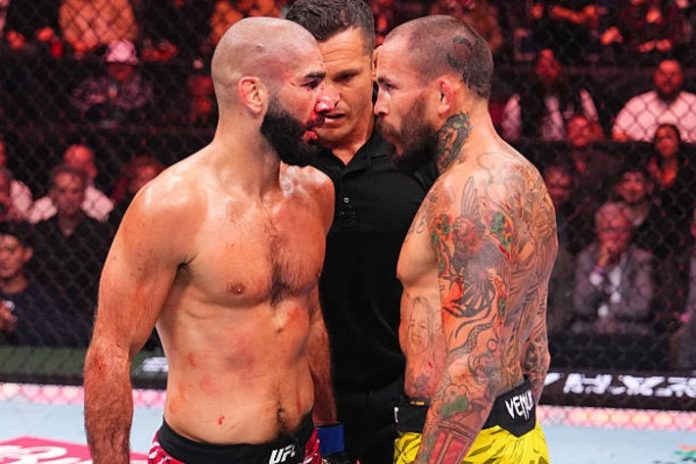
El público se quedó en silencio. Los rostros de los fanáticos ecuatorianos mostraban incredulidad. Las estadísticas eran claras: más golpes significativos, más control del octágono, más efectividad. Sin embargo, los jueces no lo vieron así. La frustración de Vera fue evidente, aunque se mantuvo con clase. Tomó el micrófono y dijo con voz firme:
“Yo respeto este deporte. Vine desde Chone para pelear con el corazón. Pero hoy siento que me robaron. No solo a mí, sino a todos los que creen en la justicia del esfuerzo.”
Detrás del escenario, comenzaron los rumores. Algunos hablaban de favoritismo. Que el UFC prefería impulsar al otro peleador, más “vendible”, más “comercial”. No había pruebas, pero la percepción era fuerte: a Chito lo habían robado.
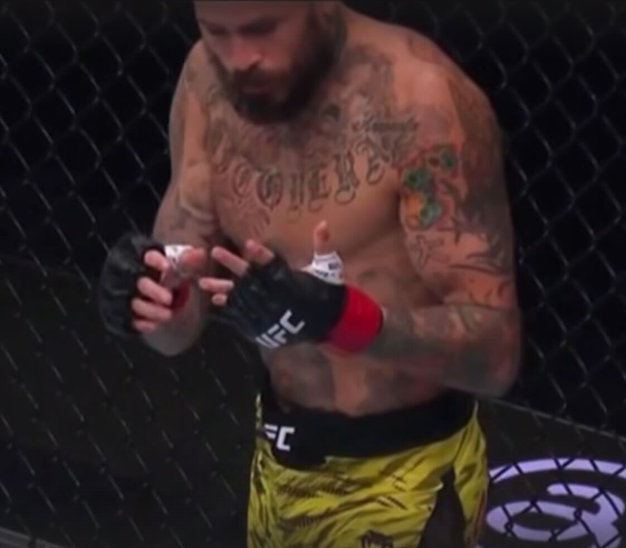
Mientras el supuesto ganador celebraba, Chito se quedó en silencio en su camerino. Miró sus manos vendadas, pensó en los años de sacrificio, en los entrenamientos lejos de su familia, en los días de dolor y los pocos de gloria. Lo habían vencido injustamente, pero su espíritu no estaba roto.
En Ecuador, las calles de Chone y Guayaquil se llenaron de voces de apoyo. “¡Robaron a Chito!” gritaban en redes sociales y transmisiones en vivo. Para su gente, él seguía siendo el campeón. La derrota en las tarjetas no cambiaba el hecho de que había dejado el alma en el octágono.
Esta noche no fue solo una pelea perdida, sino una declaración: el sistema del UFC no siempre es justo. Y cuando el dinero, la fama o el marketing pesan más que el mérito, los guerreros verdaderos como Vera son los que pagan el precio.
Aun así, el ecuatoriano prometió volver. “Esto no termina aquí,” dijo en su cuenta de X. “Soy de Chone, y en mi sangre no hay rendición.”
Quizás el título no llegó esta vez. Pero la leyenda de Marlon “Chito” Vera, el guerrero que pelea por un país entero, sigue más viva que nunca.
⸻

English Version
HEADLINE: “Chito Vera: The Ecuadorian Warrior Robbed in the Octagon”
Marlon “Chito” Vera stepped into the octagon tonight with fire in his eyes and pride for his hometown, Chone, Ecuador, burning deep inside. Born in Manabí, Chito grew up with the grit of a fighter. At 16, he found Brazilian jiu-jitsu, and from that day forward, his mission was clear — to fight, to represent Ecuador, and to prove that true warriors come from every corner of the world.
Over the years, Vera earned a reputation as one of the UFC’s most dangerous and respected competitors. Known for his precision striking, resilience, and knockout power, Chito was determined to make a statement tonight — and he did. From the opening round, he dominated the cage, landing devastating leg kicks, sharp counters, and controlling every exchange.
By the third round, the crowd was on its feet. Vera rocked his opponent with a brutal right hand and followed with a barrage of elbows. It looked like the fight was over. Commentators agreed: Chito was in full control.
Then came the shock. When the announcer read the decision — “unanimous decision… for the other fighter” — the arena fell silent. Fans stared in disbelief. The stats told a different story: more significant strikes, more control time, more aggression. Yet somehow, the judges disagreed.
Standing in the cage, Vera took the mic and said:
“I respect this sport. I came all the way from Chone to fight with heart. But tonight, I feel robbed. Not just me — everyone who believes in fairness in this sport.”
Backstage, murmurs spread: UFC favoritism. Was the other fighter being protected because of marketing or promotion? There was no proof — but the sense of injustice was strong.
While his opponent celebrated, Chito sat quietly in the locker room, unwrapping his gloves. He thought of his years of sacrifice — the early mornings, the blood, the pain, the journey from Ecuador to California. This wasn’t just a loss; it felt like betrayal. But he wasn’t broken. If anything, it lit another fire inside him.
In Ecuador, fans filled the streets and social media with fury. “Chito was robbed!” trended across platforms. To them, he was still the champion — the people’s fighter. No judge could take that away.
This fight, unfair as it seemed, exposed something deeper — that in the UFC, sometimes the business overshadows the sport. When money and hype outweigh skill and merit, fighters like Chito pay the price.
But Vera vowed to return. “This isn’t over,” he posted on X. “I’m from Chone. I don’t quit.”
He may not have left with the win — but he left with something greater: the respect of millions and the unwavering love of a nation that still calls him Campeón.