Sam Altman advierte: la IA amenaza el futuro influencer, pero reinventa el papel de los creadores
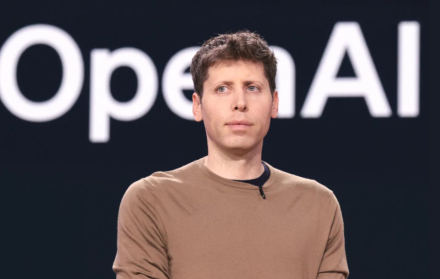
¿Ha llegado la caída de los influencers? Sam Altman, CEO de OpenAI, afirma que el futuro de quienes viven de la influencia virtual está en grave peligro por los avances de la inteligencia artificial, aunque no se trata del fin de la creatividad humana. Según Altman, los creadores y generadores de contenido deberán reinventarse si desean mantenerse relevantes en una era donde los algoritmos y las máquinas pueden imitar rostros, voces y personalidades con una precisión inédita.
Durante una conferencia en la Reserva Federal de EE.UU. y entrevistas recientes, Altman remarcó tres amenazas principales que la IA plantea para la economía digital: el fraude masivo, la dependencia emocional de las personas hacia los bots y la interrupción de empleos creativos, incluido el marketing de influencers. “Lo que realmente me preocupa es que, si hoy construimos nuestra reputación, autenticidad y relaciones sobre sistemas como fotos, firmas, videos o voces, todo eso ya es replicable por la IA”, advirtió Altman. Así, los mecanismos de confianza y personalización en redes sociales se convierten en vulnerabilidades explotables.
La llegada de IA generadora de imágenes, videos y voz, sumada al perfeccionamiento de los deepfakes, “ha derribado las barreras tradicionales de autenticidad e identidad”, expone el directivo. Influencers, celebridades digitales y marcas deberán reconstruir sus estrategias, usando herramientas de verificación y reputación descentralizada —como el blockchain— para diferenciase entre humanos y bots.
Altman no cree que la IA elimine la creatividad, pero sí la obliga a evolucionar. En vez de temerle, invita a los creadores a reinventar su aporte y encontrar nuevas formas de conectar con la audiencia. Reconoce que, mientras algunos nichos creativos desaparecerán, otros florecerán modificando el valor que aportan: “Human + IA es el nuevo estándar. Los creadores que comprendan cómo sumar ambas fuerzas tendrán ventaja, mientras que quienes se resistan quedarán rezagados”, explica.
Pero la era influencer también tropieza con otros riesgos: el aumento del fraude digital, la manipulación mediante identidades sintéticas y la sobreexposición a contenidos generados por bots. El CEO de OpenAI advierte que esta transición “no será lineal ni fácil”, pues la IA puede generar crisis de confianza y colocar a usuarios y marcas en posiciones de vulnerabilidad. Para sobrevivir, los influencers deberán apostar por narrativas auténticas, desarrollar filtros críticos ante lo falso y conectar con sus seguidores más allá de la apariencia superficial.
Altman concluye que el desafío no es “la muerte del influencer”, sino su transformación. La inteligencia artificial reclama nuevas reglas, más transparencia y creatividad genuina. Quienes sepan adaptarse a este nuevo entorno podrán seguir inspirando y proyectando sus talentos, pero el futuro será implacable con los que no evolucionen.
Sam Altman Warns: AI Puts Influencer Careers at Risk—Creators Must Reinvent to Survive
Is the age of influencers coming to an end? Sam Altman, CEO of OpenAI, says the livelihood of social media influencers faces unprecedented risk as artificial intelligence advances—though it doesn’t mean the extinction of human creativity. Altman believes digital creators must reinvent themselves to maintain relevance, as algorithms and machines now mimic faces, voices, and personalities with stunning accuracy.
In speeches at the U.S. Federal Reserve and recent interviews, Altman outlined three major AI threats to the digital economy: mass fraud, increasing emotional dependence on bots, and disruption of creative jobs—including influencer marketing. “What really worries me is that we’ve built reputations, authenticity, and relationships on things like photos, signatures, videos, and voices. All of that can be replicated by AI now,” Altman warned. Trust and personalization systems on social platforms are now exploitable vulnerabilities.
AI’s capacity to generate images, videos, and voices—combined with advanced deepfakes—“has already broken down traditional barriers of identity and authenticity,” he explained. Influencers, digital celebrities, and brands must reconstruct their strategies, relying on verification tools and decentralized reputation networks (like blockchain) to set themselves apart from bots.
Altman doesn’t believe AI will end creativity, but it will force it to evolve. Instead of being afraid, he encourages creators to reinvent their value and find new ways to connect with audiences. While some creative niches may vanish, others will thrive by redefining what they offer. “Human + AI is the new baseline. Creators who learn to combine both forces will have an edge, while those who resist will fall behind,” he said.
The influencer economy faces other risks: rising digital fraud, manipulation by synthetic identities, and saturation with bot-generated content. Altman cautions that this transformation “won’t be linear or easy,” as AI may create trust crises and leave users and brands exposed. To survive, influencers will need to invest in authentic storytelling, sharpen critical analysis, and build deeper connections beyond superficial appearances.
Altman’s message: this isn’t “the death of the influencer,” but their transformation. Artificial intelligence means new rules, more transparency, and genuine creativity. Those who adapt can continue to inspire and succeed—but those who don’t will be left behind.