Despite Backlash, Bad Bunny Confirmed for Super Bowl Halftime Show: NFL Defends Its Choice Amid Anti-Immigrant Controversy
The NFL has confirmed that Puerto Rican megastar Bad Bunny will headline the Super Bowl LX Halftime Show on February 9, 2026, at Levi’s Stadium in California — despite fierce criticism from conservative groups and political commentators who accuse the artist of being “anti-American” because of his outspoken pro-immigrant views.
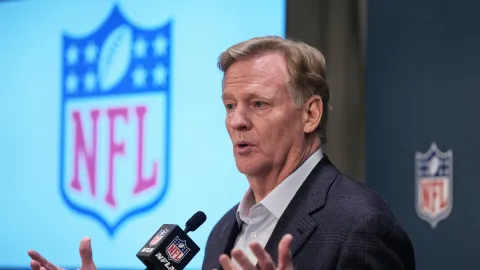
In a press conference following the league’s autumn owners meeting, NFL Commissioner Roger Goodell reaffirmed the decision: “He’s one of the world’s leading entertainers. Every halftime act draws controversy, but Bad Bunny represents the power and reach of global music. We stand by our choice.” The commissioner acknowledged the “mixed reactions” but emphasized that the selection was “carefully thought through and symbolic of the league’s diversity and cultural relevance.”
Bad Bunny — whose real name is Benito Antonio Martínez Ocasio — became the world’s most-streamed artist on Spotify for a fourth consecutive year. His inclusion marks a milestone: he will be the first Spanish-speaking solo headliner in the Super Bowl’s history, following past Latino appearances by Jennifer Lopez, Shakira, and J Balvin.
A political storm brews
The announcement ignited backlash from conservative circles. Right-wing commentators such as Greg Kelly and Tomi Lahren labeled the pop star “anti-American” and criticized the NFL for selecting “an artist who doesn’t even sing in English.” Meanwhile, former President Donald Trump told Newsmax the decision was “absolutely ridiculous,” arguing that the NFL was “turning the country’s biggest game into a political stunt.”
Bad Bunny has long been unafraid of controversy. In interviews, he condemned the Trump administration’s treatment of immigrants and revealed that he had refused to hold concerts in the U.S. mainland during his last tour, citing what he called a “toxic, anti-immigrant atmosphere.” He instead staged a record-breaking residency in Puerto Rico, where he performed 31 sold-out shows as an act of “solidarity with Latinos and immigrants everywhere.”
Critics argue that his selection sends a “political signal.” Supporters, however, say it’s a moment of pride. “To see a young Puerto Rican at the center of American pop culture is historic,” said Leila Cobo, Billboard’s Latin music editor. “It’s not politics; it’s representation.”
ICE rhetoric sparks fresh outrage
Tensions over the halftime show escalated further earlier this month when Trump adviser Corey Lewandowski and Homeland Security Secretary Kristi Noem made statements suggesting that ICE agents would have a “visible presence” at the Super Bowl, allegedly to prevent “illegal immigrants” from attending. “There will be no safe haven for lawbreakers, not even at the Super Bowl,” Lewandowski told The Benny Show podcast.
Civil-rights groups immediately condemned the remarks as “thinly veiled xenophobia.” The Hispanic Federation called for an official retraction, while the ACLU warned that such rhetoric could deter Latino attendees from participating in the country’s largest national event. “This is dog-whistle politics, plain and simple,” said ACLU spokesperson Sarah Morales. “To target a Latino performer and his fans in this way is disgraceful.”
Bad Bunny responded indirectly while hosting Saturday Night Live on October 4. Switching between English and Spanish, he joked: “I’m happy, and I think everybody’s happy — even Fox News!” He then grew serious, adding, “This isn’t just my win, it’s a win for every Latino and Latina who worked to open doors. Our contribution to this country can’t be erased.”
A new era for the NFL
The league’s collaboration with Jay-Z’s Roc Nation, which has overseen halftime-show talent since 2019, is widely credited for diversifying its lineup. Previous headliners under the partnership include Rihanna, The Weeknd, and Dr. Dre, each pushing the limits of genre and cultural representation.
Industry insiders believe the NFL is betting on Bad Bunny’s global influence to attract younger and international audiences. “He’s not only the biggest Latin artist — he’s one of the biggest artists in the world, period,” said music analyst Jeff Shultz. “The halftime show is one of the few events left that unites American households, and the NFL knows diversity is part of its survival strategy.”
Despite the uproar, the league insists the focus should remain on entertainment, not politics. “Our intention is to celebrate music that transcends boundaries,” said an NFL spokesperson.
Bad Bunny himself remains undeterred. As he prepares for what could be the most-watched performance of his career, he told fans at a recent interview, “Music has no borders. Art is meant to unite, not divide.”
Whether his Super Bowl show becomes another cultural flashpoint or a unifying moment, one thing is clear: Bad Bunny has cemented his place as the voice of a generation that refuses to apologize for its identity — even under the brightest lights on Earth.
NFL confirma a Bad Bunny para el Super Bowl pese a la polémica: el artista responde a críticas y acusa al clima antimigrante
El comisionado de la NFL, Roger Goodell, confirmó este miércoles que Bad Bunny seguirá como artista principal del show de medio tiempo del Super Bowl LX, a celebrarse el 9 de febrero de 2026 en el estadio Levi’s de California, pese a la ola de críticas que ha desatado su elección entre sectores conservadores.
“Es uno de los artistas más importantes y populares del mundo”, dijo Goodell durante la reunión anual de propietarios. “Cada año hay polémica con los artistas del Super Bowl, pero la decisión refleja la diversidad y el alcance global de la liga. No hay razones para reconsiderarla.”
Será la primera vez que un artista latino de habla hispana encabece en solitario el espectáculo musical más visto del planeta, siguiendo la estela de actuaciones pasadas de Shakira, Jennifer Lopez, J Balvin y Bad Bunny como invitado.
La controversia estalla
La confirmación del cantante puertorriqueño, cuyo nombre real es Benito Antonio Martínez Ocasio, ha provocado reacciones encontradas. Personalidades conservadoras como Greg Kelly y Tomi Lahren lo tildaron de “antiestadounidense” por sus posturas políticas y por cantar mayoritariamente en español. El expresidente Donald Trump calificó la elección como “una locura”, criticando a la NFL por “politizar el evento deportivo más importante del país.”
En declaraciones recientes, Bad Bunny recordó que durante su última gira decidió no presentarse en Estados Unidos continental como protesta contra “el ambiente antimigrante” que, según él, enfrentan muchos latinos. En 2024 realizó en cambio una exitosa residencia de 31 shows en Puerto Rico, convertida en un símbolo de orgullo para su comunidad.
El artista también ha sido un crítico abierto de las políticas de inmigración del gobierno de Trump. En entrevistas pasadas afirmó que le preocupaba que fanáticos indocumentados fueran perseguidos por ICE, razón por la cual canceló presentaciones en Texas y Florida.
Amenazas y respuestas
Las tensiones aumentaron cuando el asesor de Trump, Corey Lewandowski, y la secretaria de Seguridad Nacional, Kristi Noem, afirmaron en entrevistas recientes que habría agentes de ICE en el Super Bowl “para garantizar que todos los asistentes estén en el país legalmente.” Activistas y organizaciones en defensa de los derechos civiles denunciaron dichas declaraciones como “un intento de intimidación racista.”
La Federación Hispana calificó los comentarios de “peligrosamente xenófobos”, mientras la ACLU advirtió que podrían disuadir a los latinos de asistir al evento. “Convertir el Super Bowl en un escenario de persecución política es inaceptable”, declaró la portavoz Sarah Morales.
Bad Bunny, por su parte, respondió con ironía durante su reciente aparición en Saturday Night Live: “Estoy feliz, y creo que todos están felices, ¡hasta Fox News!”; y agregó en español: “Esto no es solo mi triunfo, es un logro para todos los latinos y latinas que han trabajado para abrir puertas. Nadie puede borrar nuestra huella.”
La apuesta cultural de la NFL
Desde 2019, la liga colabora con Roc Nation, la compañía de Jay‑Z, para producir el espectáculo musical de medio tiempo. Bajo su dirección, el Super Bowl ha incluido artistas diversos que reflejan la pluralidad cultural de Estados Unidos, entre ellos Rihanna, The Weeknd y Dr. Dre.
Analistas afirman que, pese a la polémica, la NFL busca atraer a un público joven y multicultural. “Bad Bunny no es solo el mayor artista latino, es un fenómeno global,” señaló el experto Jeff Shultz. “El Super Bowl representa una oportunidad para que la liga celebre la inclusión y conecte con nuevas generaciones.”
Mientras los sectores más conservadores claman por boicotear el evento, la liga asegura que la decisión no tiene motivación política. “Nuestro objetivo es ofrecer un espectáculo que trascienda fronteras y una música que una a las personas,” reafirmó un portavoz.
Bad Bunny también parece decidido a convertir la controversia en un mensaje positivo. “La música no tiene idioma ni bandera”, dijo recientemente. “El arte está para unir, no para dividir.”
Con su presentación en el Super Bowl, el puertorriqueño hará historia —no solo como artista, sino como símbolo de una generación que exige respeto, orgullo y representación en la cultura estadounidense.