



THE 100-MILLISECOND KILL: SECRET HUNTING TACTICS OF VENOMOUS SNAKES EXPOSED BY HIGH-SPEED VIDEO
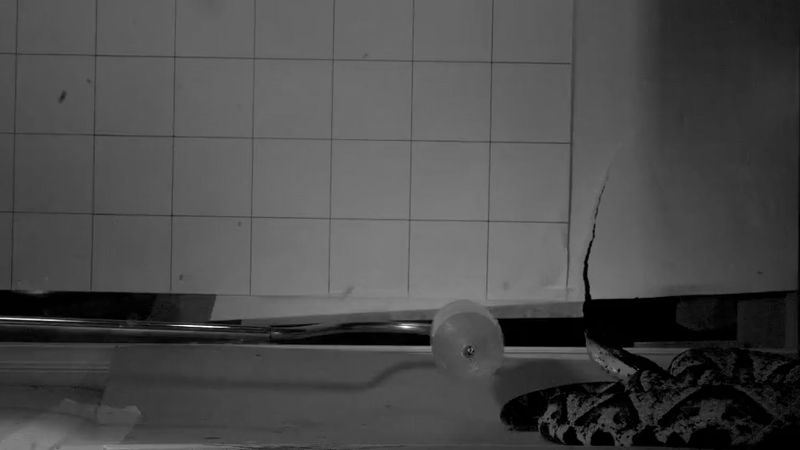
For decades, the final, lethal moment of a venomous snake’s strike has been a blur, escaping the full scrutiny of science. Now, thanks to groundbreaking use of high-speed video technology, researchers have finally cracked the code, exposing three distinct and sophisticated methods by which 36 different species sink their fangs into prey. These strikes, often completed in a blinding 0.1 seconds, are faster than the startle reflex of most mammals, explaining why escape is nearly impossible for an unfortunate target. To achieve this unprecedented level of detail, researchers traveled to a specialized animal facility in Paris, filming more than 100 strikes against artificial prey crafted from a muscle-like medical gel, capturing every angle and detail with multiple high-definition, high-speed cameras.
The footage confirmed that viperids—the family including vipers—are the masters of brute speed. They consistently struck their target within a tenth of a second from a coiled posture. However, the study revealed a fascinating, unexpected refinement in their technique: if the initial lunge resulted in a poor angle, the viper would quickly pull a fang out of the gel and reinsert it in a more favorable position before fully committing to the venom injection. This meticulous mid-strike correction ensures the deadly payload is delivered effectively, showcasing a predatory precision previously unknown to science and explaining why the slightest flinch from a nearby observer during the filming was a common occurrence.
In stark contrast to the vipers’ lightning-fast lunge, the elapids—a family that includes the Cape coral snake and the rough-scaled death adder—often employ a stealthier, close-quarters approach. These snakes deliberately slither up to their target to drastically reduce the distance of their final attack. Once they have secured a bite, the videos showed them loosening their jaws slightly and then biting down again, sometimes several times. This unusual, repeated biting action is theorized to be a method of prolonging the venom flow, maximizing the toxic dose delivered to their prey. Additionally, the study observed rear-fanged snakes, such as Fischer’s tree snake, which were filmed dragging their back fangs back and forth across the gel to create devastating, crescent-shaped wounds, maximizing the area for venom absorption.
The new findings, published recently, redefine our understanding of serpentine predation, moving past low-resolution field recordings of the 1950s. By meticulously detailing the biomechanics of the fatal strike—from the re-positioning of a viper’s fang to the sawing motion of a colubrid’s jaw—scientists now have a precise roadmap of how venomous snakes conquer their world. Future research will now aim to determine how factors like the size of the prey influence these three specialized attack strategies, adding another layer of complexity to the lethal science of the snakebite.
(Spanish)
EL ASESINATO DE 100 MILISEGUNDOS: TÁCTICAS SECRETAS DE CAZA DE SERPIENTES VENENOSAS EXPUESTAS POR VIDEO DE ALTA VELOCIDAD
Durante décadas, el momento final y letal del ataque de una serpiente venenosa ha sido una imagen borrosa, evadiendo el escrutinio completo de la ciencia. Ahora, gracias al uso innovador de la tecnología de video de alta velocidad, los investigadores finalmente han descifrado el código, exponiendo tres métodos distintos y sofisticados mediante los cuales 36 especies diferentes clavan sus colmillos en la presa. Estos ataques, a menudo completados en unos cegadores 0.1 segundos, son más rápidos que el reflejo de sobresalto de la mayoría de los mamíferos, lo que explica por qué escapar es casi imposible para un objetivo desafortunado. Para lograr este nivel de detalle sin precedentes, los científicos viajaron a una instalación especializada en París, filmando más de 100 ataques contra presas artificiales hechas de un gel médico similar a un músculo, capturando cada ángulo y detalle con múltiples cámaras de alta velocidad y alta definición.
La filmación confirmó que los vipéridos —la familia que incluye a las víboras— son los maestros de la velocidad pura. Constantemente golpearon a su objetivo en una décima de segundo desde una postura enrollada. Sin embargo, el estudio reveló un refinamiento fascinante e inesperado en su técnica: si el ataque inicial resultaba en un ángulo deficiente, la víbora retiraba rápidamente un colmillo del gel y lo reinsertaba en una posición más favorable antes de inyectar completamente su veneno. Esta meticulosa corrección a mitad del ataque garantiza que la carga útil mortal se entregue de manera efectiva, mostrando una precisión depredadora previamente desconocida para la ciencia y explicando por qué los científicos admitieron haberse encogido alguna vez durante la filmación.
En marcado contraste con la embestida ultrarrápida de los vipéridos, los elápidos —una familia que incluye a la víbora de la muerte de escamas ásperas y la serpiente de coral del Cabo— a menudo emplean un acercamiento más sigiloso y a corta distancia. Estas serpientes se deslizan deliberadamente hasta su objetivo para reducir drásticamente la distancia de su ataque final. Una vez que han asegurado una mordida, los videos mostraron cómo aflojaban ligeramente la mandíbula y luego mordían de nuevo, a veces varias veces. Se teoriza que esta acción repetida e inusual es un método para prolongar el flujo de veneno, maximizando la dosis tóxica entregada a su presa. Adicionalmente, el estudio observó a serpientes con colmillos traseros, como la serpiente arbórea de Fischer, que fueron filmadas arrastrando sus colmillos posteriores sobre el gel para crear heridas en forma de media luna, maximizando el área de absorción del veneno.
Los nuevos hallazgos redefinen nuestra comprensión de la depredación serpentina, dejando atrás las grabaciones de baja resolución de la década de 1950. Al detallar meticulosamente la biomecánica del ataque fatal, desde el reposicionamiento de un colmillo de víbora hasta el movimiento de aserrado de la mandíbula de un colúbrido, los científicos ahora tienen una hoja de ruta precisa de cómo las serpientes venenosas conquistan su mundo. Las futuras investigaciones intentarán determinar cómo factores como el tamaño de la presa influyen en estas tres estrategias de ataque especializadas, añadiendo una nueva capa de complejidad a la ciencia letal de la mordedura de serpiente.


