LA VIDA Y EL MENÚ OCULTO DE LA AMAZONÍA ECUATORIANA: UNA INMERSIÓN EN LA CULTURA QUICHUA
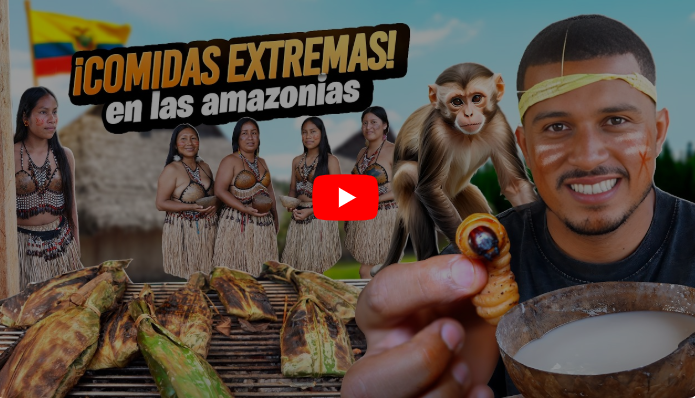
El vlogger Wander Canelo se ha adentrado en el corazón del Amazonas ecuatoriano para ofrecer una mirada sin filtros a la gastronomía y el estilo de vida de la comunidad indígena Quichua Union Muyuna. Para llegar, la única vía es la lancha, marcando el inicio de un viaje que promete revelar cómo se vive y sobrevive en la espesura de la selva. La bienvenida fue auténtica y ceremonial, comenzando con pintura facial para el anfitrión y un trago de chicha de yuca, descrita por los locales como su alimento diario, esencial para darles fuerza, energía y mitigar el hambre.
La crónica se centra en la mesa. El primer plato es el maito de tilapia, una preparación simple pero profundamente arraigada. El pescado se sazona exclusivamente con sal y se envuelve en hojas de maito, siendo este último el elemento que transfiere su sabor característico durante la cocción. Sorprendentemente, el pescado está listo en apenas seis minutos sobre la parrilla, demostrando la eficiencia de los métodos de cocina ancestral.
Sin embargo, el verdadero desafío culinario —y la joya de la gastronomía amazónica— es el chontacuro o gusano de palma. Los vendedores explicaron que la larva se extrae de la palma de chonta y es altamente medicinal, recomendada tradicionalmente para combatir la gripe, la tos y el asma, incluso para bebés, dándoles fuerza desde temprana edad. La preparación reveló un secreto local: el gusano debe ser cortado o “roto” antes de asarse para que libere su grasa y no se hinche, lo que garantiza el sabor. Tras probarlo, el anfitrión, y otra joven que lo comió crudo con sal, confirmaron que, a pesar de las apariencias, el sabor era delicioso y muy natural.
Además de la comida sólida, las bebidas juegan un papel crucial en la supervivencia. El té de guayusa fue presentado como un energizante natural, capaz de quitar la pereza y el sueño. El anfitrión también probó el chicha de yuca, notando un ligero sabor a alcohol fermentado. Una residente explicó que la chicha es un alimento base, aunque los métodos de preparación han cambiado con el tiempo, siendo ahora los “guaburanes” (en las profundidades de la selva) quienes aún siguen las técnicas tradicionales más antiguas.
La visita no se limitó a la cocina. La comunidad aprovechó la ocasión para mostrar parte de su fauna local, incluyendo un caimán, un guacamayo y, de manera más intimidante para el anfitrión, una boa constrictor. El anfitrión, aunque temeroso, se sometió al ritual de ser tocado por la serpiente, que, según la creencia local, le “saca las energías negativas”. El encuentro con estos animales, junto con la cocina simple, nutritiva y tradicional, pinta un cuadro completo de una comunidad que ha aprendido a vivir en perfecta armonía y autosuficiencia con la selva. El viaje de Canelo es un homenaje a esta resistencia cultural, probando que la verdadera supervivencia es una mezcla de tradición, naturaleza y fe en los alimentos de la tierra.
ECUADOR’S AMAZON UNVEILED: A JOURNEY TO THE QUICHUA HEARTLAND AND THE TRADITIONAL JUNGLE DIET
Travel vlogger Wander Canelo recently ventured deep into the Ecuadorian Amazon, offering an unvarnished look at the gastronomy and way of life within the indigenous Quichua Union Muyuna community. Accessible only by boat, the journey itself set the tone for an authentic experience, promising a glimpse into how the community thrives in the dense jungle. The welcome was both warm and ceremonial, beginning with traditional face painting for the host and a taste of yuca chicha, which locals describe as their daily staple, providing essential strength, energy, and hunger suppression.
The chronicle then focuses on the community’s unique menu. The first dish is tilapia maito, a simple yet deeply traditional preparation. The fish is seasoned solely with salt and wrapped in specific maito leaves, which impart their distinct flavor during the grilling process. The efficiency of their ancestral cooking methods is striking: the fish is ready in just six minutes over the fire.
However, the true culinary centerpiece—and the ultimate Amazonian delicacy—is the chontacuro or palm grub. Vendors explained that the larvae are harvested from the chonta palm tree and are highly valued for their medicinal properties, traditionally recommended to combat colds, coughs, and asthma, even for infants to ensure a strong start in life. The preparation technique revealed a local secret: the grub must be sliced or “broken” before grilling to release its fat and prevent it from swelling, which is key to ensuring its rich flavor. After tasting it (and watching another young woman eat one raw with salt), the host confirmed that, despite any preconceived notions, the flavor was delicious and remarkably natural.
Beyond the solid meals, local beverages are crucial for survival. Guayusa tea was presented as a powerful natural energizer, used to dispel laziness and sleepiness. The host also sampled the yuca chicha, noting a slight, pleasant, fermented, and alcohol-like taste. One community member explained that chicha is a foundational food, though preparation methods have evolved; it is now primarily the “guaburanes” (those living deeper in the jungle) who still follow the ancient, more labor-intensive traditional techniques.
The visit extended beyond the kitchen. The community proudly displayed some of their local fauna, including a caiman, a macaw, and—most nerve-wracking for the host—a large boa constrictor. Though fearful, the host participated in the ritual of allowing the snake to touch him, which, according to local belief, helps to “remove negative energies.” This encounter with nature, paired with the simple, nourishing, and traditional cuisine, paints a complete picture of a community living in perfect harmony and self-sufficiency with the rainforest. Canelo’s journey is a powerful tribute to this cultural resilience, proving that true survival is an intricate blend of tradition, nature, and faith in the food provided by the earth.