EL CEVICHE DE LA U CENTRAL: CÓMO UNA FILA INTERMINABLE REVELÓ EL SECRETO MARINO QUE “LEVANTÓ A LOS MUERTOS” EN QUITO
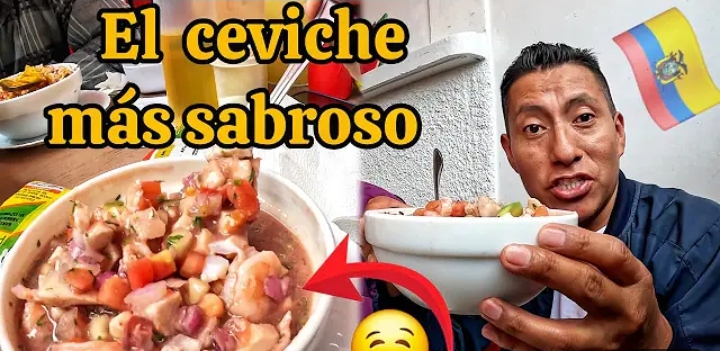
Frente al Centro Comercial Quitus Artesanal, en el sector de la Universidad Central de Quito, una señal discreta pero inequívoca anuncia un fenómeno gastronómico: una fila de personas que a primera hora de la mañana se extiende por la acera. Este es el santuario de La Cevichería, un local que ha transformado la noción de la comida rápida en la capital, demostrando que, en la cultura ecuatoriana, donde hay una larga espera, hay un plato excepcional. La promesa aquí es simple: el ceviche más sabroso de Ecuador.
El corazón de esta devoción es el legendario Ceviche de Pinchagua. Aunque para muchos, incluyendo al cronista de este reportaje, la pinchagua—un pequeño pescado local—era un ingredito desconocido, en este lugar se ha convertido en una leyenda marina. Los clientes, que se cuentan por cientos a lo largo del día, no vienen solo a comer, sino a recibir un tónico que les devuelve la vitalidad. Es por eso que el plato ostenta el apodo de “Levanta Muertos”, un remedio popular contra el cansancio o los estragos de la noche anterior.
El plato más solicitado es el Ceviche Súper Mixto que, por solo $5.00, es una inmersión completa en el sabor del Pacífico. Su contenido es abundante y generoso: camarón, concha, pulpo, pescado y calamar, todo marinado en una explosión de limón, cebolla y cilantro. A esta base, se añade la porción extra de pinchagua, que transforma el plato en una experiencia poderosa y nutritiva. Los comensales lo aderezan con el toque final de limón y el aceite que le da cuerpo al caldo, una tradición que ha convertido a los clientes en “caseros” habituales.
La historia de este local es tan impactante como su sabor. Lo que comenzó como un humilde quiosco en la calle creció con tal rapidez debido a la calidad de su cocina que tuvo que expandirse a un local de dos pisos. A pesar de contar con espacio para cientos de personas, la demanda es tan alta que aquellos que llegan tarde corren el riesgo de encontrar las puertas cerradas. No es raro que las existencias de este manjar se agoten tan pronto como la una o dos de la tarde. La logística para alimentar a la multitud es de velocidad pura, con la vecina de la cocina preparando los platitos con precisión militar.
Para los habitantes de Quito y sus visitantes, La Cevichería es más que una parada gastronómica; es una cita ineludible con la cultura criolla, un lugar para reunirse con amigos, familia o pareja, y compartir un “platazo” que, por su tamaño y riqueza, asegura dejar al comensal satisfecho y lleno de energía. La fama se ha extendido gracias al boca a boca y a la calidad innegable. Es una crónica de un pequeño plato de mar que se convirtió en un gigante de la gastronomía urbana.
THE CENTRAL U CEVICHE PHENOMENON: HOW AN ENDLESS LINE UNCOVERED THE LEGENDARY SEAFOOD CURE THAT ‘RAISES THE DEAD’ IN QUITO
Across from the Quitus Artesanal Shopping Center, in the Central University area of Quito, a discreet but unmistakable sign signals a gastronomic phenomenon: a line of people that stretches down the sidewalk in the early morning. This is the sanctuary of La Cevichería, a spot that has redefined the concept of fast food in the capital, proving that where there is a long wait in Ecuadorian culture, there is an exceptional dish. The promise here is simple: the tastiest ceviche in Ecuador.
The heart of this devotion is the legendary Pinchagua Ceviche. Although for many, including the chronicler of this report, pinchagua—a small local fish—was an unfamiliar ingredient, here it has become a seafood legend. The customers, who number in the hundreds throughout the day, come not just to eat but to receive a tonic that restores vitality. This is why the dish has earned the nickname “Levanta Muertos” (Raise the Dead), a popular remedy for fatigue or the after-effects of a late night.
The most requested dish is the Super Mixto Ceviche, which, for only $5.00, is a complete immersion in the flavors of the Pacific. Its contents are abundant and generous: shrimp, cockle (concha), octopus, fish, and calamari, all marinated in an explosion of lime, onion, and cilantro. To this base, the extra portion of pinchagua is added, which transforms the plate into a powerful and nutritious experience. Diners finalize the flavor with a fresh squeeze of lime and oil, a tradition that has turned first-time visitors into loyal, “regular customers.”
The history of this establishment is as compelling as its flavor. What started as a humble kiosk on the street grew so quickly due to the quality of its cooking that it had to expand into a two-story building. Despite having room for hundreds of people, demand is so high that late arrivals risk finding the doors closed. It is not uncommon for the stock of this delicacy to run out as early as one or two in the afternoon. The logistics of feeding the crowd are pure speed, with the kitchen staff preparing the plates with military precision.
For the residents of Quito and its visitors, La Cevichería is more than a culinary stop; it is an unmissable date with local Creole culture, a place to gather with friends, family, or partners, and share a “huge plate” that, due to its size and richness, guarantees to leave the diner satisfied and energized. The fame has spread through word-of-mouth and undeniable quality. It is the chronicle of a small seafood dish that became a giant of urban gastronomy.