



Old Starlink Satellite Re‑enters Atmosphere, Burns Up Over Earth — Debris Risk Remains Low
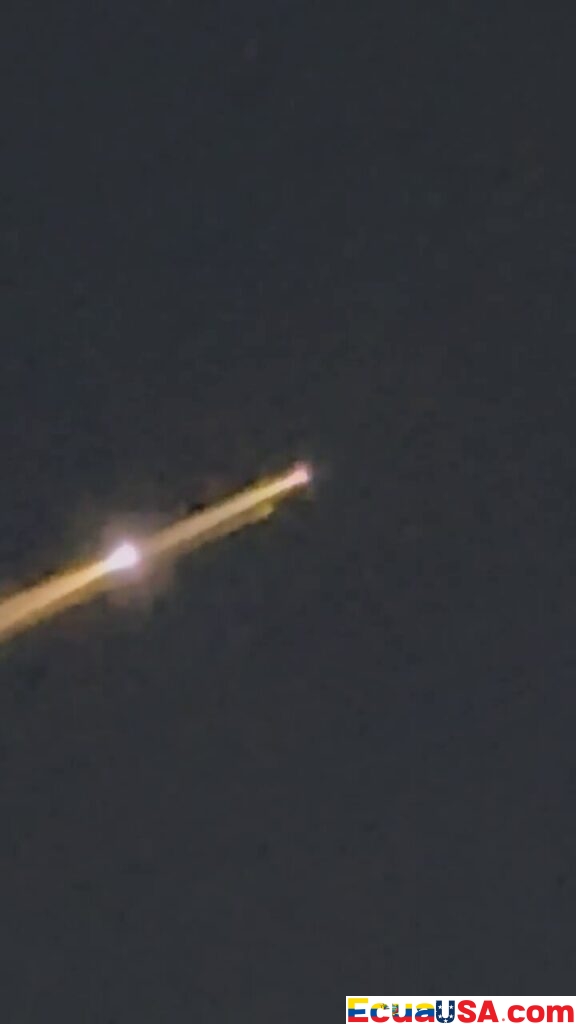
An old Starlink internet‑satellite, designated STARLINK‑3313 (ID 50157), re‑entered Earth’s atmosphere early this morning, according to data from The Aerospace Corporation’s CORDS reentry database. Aerospace Corporation
The re‑entry was recorded at approximately 06:15 UTC, during a predicted decay window managed by the Aerospace Corporation. While no official ground‑impact was reported, the incident marks yet another controlled demise of a Starlink satellite.
What we know
- STARLINK‑3313 was originally launched on 18 December 2021 as part of the Starlink Group 4‑4 mission from Vandenberg. Aerospace Corporation
- According to the Aerospace database, the satellite was listed with a predicted reentry window of 07 Nov 2025 ≈ 09:48 UTC with ±10 hours uncertainty. Aerospace Corporation+1
- The reentry appears to have occurred slightly ahead of schedule, aligning with reported observations of a bright streak in the sky this morning.
- The Aerospace Corporation noted that the ground‑track uncertainty (blue/yellow line) showed potential reentry along a wide swath, though no hazardous debris zone was identified. Aerospace Corporation
Why this matters
While satellite re‑entries are relatively routine, the departure of STARLINK‑3313 highlights two key aspects of modern satellite‑constellation operations:
- End‑of‑life disposal: The Starlink satellites are designed to either be de‑orbited or allowed to naturally decay into the atmosphere at the end of service. Experts estimate that between one and two Starlink satellites re‑enter per day on average. EarthSky+1
- Environmental & safety considerations: Although the majority of these satellites are engineered to fully burn up on re‑entry, researchers caution that increasing volumes of burnt satellites may have cumulative effects. A recent article noted the risk of upper‑atmosphere contamination from metallic particles released during breakup. The Register+1
Observations & concerns
- The bright “shooting star” or fireball event observed in multiple regions this morning correlates with the predicted reentry time and object ID in the Aerospace database.
- No damage or debris strike has been reported so far, and the operator (SpaceX) maintains that their design ensures full demisability of spent satellites. SpaceX
- However, experts such as Jonathan McDowell warn that while the current number of re‑entries is manageable, growth of large constellations could raise long‑term orbital‑debris and atmospheric risks. The Register+1
What to watch
- Sky watchers in mid‑latitudes may continue to spot similar “flaring” streaks in the early morning or evening skies, often mistaken for meteors but actually satellite re‑entries. EarthSky
- Regulators and the space‑industry community will likely monitor the cumulative effects of frequent satellite re‑entries on atmospheric chemistry and orbital safety.
- Operators will continue to refine “targeted re‑entry” techniques to ensure debris paths remain over uninhabited areas or oceans, reducing risk to populated zones.
Bottom line
The brief, fiery descent of STARLINK‑3313 serves as a reminder of both the sophistication and the scale of modern satellite networks. While this particular event passed without incident on Earth, it underscores the growing importance of space‑sustainability practices — from end‑of‑life disposal to minimizing atmospheric impact — as thousands of satellites populate the low‑Earth‑orbit theatre.
Satélite Starlink antiguo reingresa a la atmósfera y se desintegra — Sin riesgo de impacto reportado
Esta mañana, un satélite de internet de la constelación Starlink, designado STARLINK‑3313 (ID 50157), reingresó en la atmósfera terrestre, según los datos del banco de datos de reingresos CORDS de la The Aerospace Corporation. El evento fue registrado alrededor de las 06:15 UTC, dentro de una ventana de decaimiento prevista.
Este satélite fue lanzado el 18 de diciembre de 2021 como parte de la misión Starlink Grupo 4‑4 desde la base de Vandenberg. En el momento de su reingreso se estimó una incertidumbre de ±10 horas, y el trayecto mostraba una amplia franja de posible reentrada. No se han informado impactos en tierra.
Aunque los reingresos de satélites son rutinarios, este caso pone de relieve aspectos clave: la disposición final de los satélites al final de su vida útil, y las implicaciones ambientales y de seguridad del crecimiento de las mega‑constelaciones. Especialistas estiman que entre uno y dos satélites Starlink reingresan al día, y advierten que el aumento sustancial de esta cifra podría tener efectos en la atmósfera superior y en la seguridad orbital.
Aunque el operador, SpaceX, afirma que sus satélites se diseñan para desintegrarse por completo, investigadores como Jonathan McDowell advierten que los impactos acumulativos aún no están claros.
Este suceso es un recordatorio de la sofisticación de las redes satelitales modernas y de la necesidad de prácticas sostenibles en el espacio — desde la disposición final hasta la minimización del impacto atmosférico.
Satélite Starlink antigo reentra na atmosfera e se desintegra — Sem risco de impacto relatado
Esta manhã, um satélite da constelação Starlink, identificado como STARLINK‑3313 (ID 50157), reentrou na atmosfera da Terra, de acordo com o banco de dados de reentradas CORDS da The Aerospace Corporation. O evento foi registrado por volta das 06:15 UTC, dentro da janela prevista para o decaimento orbital.
Lançado em 18 de dezembro de 2021 como parte da missão Starlink Grupo 4‑4 em Vandenberg, este satélite entrou numa faixa de reentrada com incerteza de ±10 horas, e sem relatos de detritos ou impacto em solo.
Mesmo que reentradas de satélites ocorram com frequência, este episódio destaca dois pontos importantes: a disposição final desses veículos ao fim de sua vida útil e as questões ambientais e de segurança geradas pelo aumento de mega‑constelações em órbita. Especialistas estimam que entre um e dois satélites da Starlink reentram por dia, com potencial de efeitos cumulativos na atmosfera superior e no risco orbital.
Embora o operador, SpaceX, afirme que os satélites são projetados para se desintegrar totalmente, pesquisadores como Jonathan McDowell alertam que os impactos de longo prazo ainda são incertos.
Este evento serve como recordativo da escala e complexidade das redes de satélites modernas e da necessidade de práticas sustentáveis no espaço — desde a remoção ao fim da vida útil até a redução de impactos ambientais.


