CEASEFIRE UNDER SEVERE STRAIN: ESCALATION AND HUMANITARIAN CRISIS
The US-brokered ceasefire, intended to halt two years of war between Israel and Hamas, is currently facing its most severe challenge, with reports of violent breaches and a deepening humanitarian crisis.
Escalating Violence Threatens the Truce
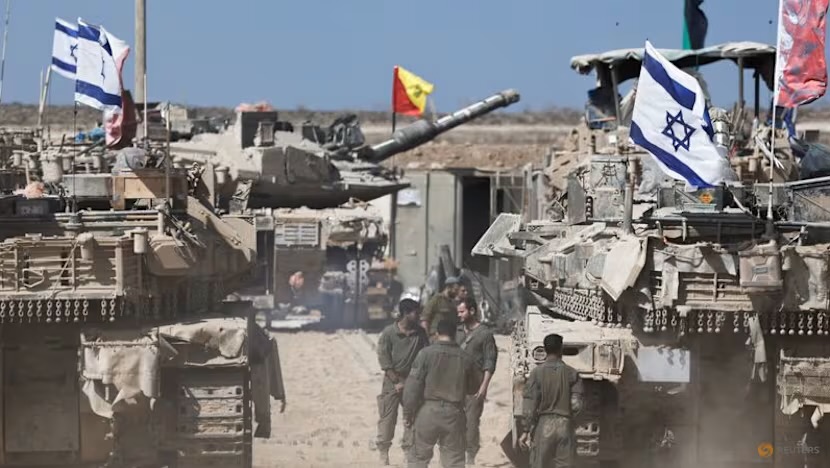
The fragile truce faced a major test over the weekend, specifically on Sunday, October 19, when a significant escalation of violence occurred. Israel launched air and artillery strikes across Gaza, claiming the action was a necessary response to Hamas violating the truce by targeting Israeli troops. These strikes reportedly resulted in the deaths of at least nine Palestinians. In a conflicting narrative, Hamas has denied any violation and, in turn, has accused Israel of over 80 breaches since the ceasefire began, which they claim has led to the deaths of at least 97 Palestinians. Despite the renewed fighting and conflicting claims, US President Donald Trump insisted that the ceasefire remains in effect, attributing the breaches to “some rebels.” Meanwhile, the difficult negotiations for Phase Two of the peace deal—which will address complex issues such as the complete disarming of Hamas, the terms of a further Israeli withdrawal from Gaza, and the establishment of future governance for the territory—have reportedly commenced amidst this tension.
Hostage Remains and the Aid Crisis
The most immediate sticking point putting severe strain on the agreement is the delayed return of the remains of deceased hostages. Israel has publicly accused Hamas of “deliberately delaying” the handover of the remaining 16 bodies, an obligation under the terms of the deal. In a severe countermeasure, Israel responded by temporarily halting the transfer of aid into Gaza and threatening to keep the crucial Rafah border crossing with Egypt closed. Furthermore, Israel threatened to halve the daily number of aid trucks permitted into the enclave to 300, a move immediately condemned as a “clear violation” of the truce’s stipulated 600-truck quota. Aid agencies on the ground confirm that while a greater volume of aid has entered since the start of the ceasefire, the total amount remains critically scarce. This is far below the volume desperately needed to reverse the declared famine in parts of Gaza and to assist the nearly two million displaced people. The crisis is compounded by the diplomatic push of the US Special Envoy Steve Witkoff and Presidential Advisor Jared Kushner, who are scheduled to arrive in Israel to try and stabilize the agreement and move the process toward lasting peace.
ALTO EL FUEGO BAJO TENSIÓN EXTREMA: ESCALADA Y CRISIS HUMANITARIA
El alto el fuego negociado por Estados Unidos, que busca poner fin a dos años de guerra entre Israel y Hamás, enfrenta actualmente su desafío más severo, con informes de violaciones violentas y una profundización de la crisis humanitaria.
La Escalada de Violencia Amenaza la Tregua
La frágil tregua se sometió a una prueba importante durante el fin de semana, específicamente el domingo 19 de octubre, cuando ocurrió una significativa escalada de violencia. Israel lanzó ataques aéreos y de artillería en toda Gaza, alegando que la acción era una respuesta necesaria a la violación de la tregua por parte de Hamás al atacar a las tropas israelíes. Estos ataques resultaron en la muerte de al menos nueve palestinos. En una narrativa contradictoria, Hamás ha negado cualquier violación y, a su vez, ha acusado a Israel de más de 80 infracciones desde el inicio del alto al fuego, lo que, según afirman, ha provocado la muerte de al menos 97 palestinos. A pesar de la reanudación de los combates y las afirmaciones contradictorias, el presidente de Estados Unidos, Donald Trump, insistió en que el alto el fuego sigue vigente, atribuyendo las infracciones a “algunos rebeldes.” Mientras tanto, las difíciles negociaciones para la Fase Dos del acuerdo de paz—que abordará cuestiones complejas como el desarme completo de Hamás, los términos de una mayor retirada israelí de Gaza y el establecimiento de la futura gobernanza del territorio—han comenzado en medio de esta tensión.
Restos de Rehenes y Crisis de Ayuda Crítica
El principal obstáculo que ejerce una presión severa sobre el acuerdo es la demora en la devolución de los restos de los rehenes fallecidos. Israel ha acusado públicamente a Hamás de “retrasar deliberadamente” la entrega de los 16 cuerpos restantes, una obligación bajo los términos del acuerdo. Como una severa contramedida, Israel respondió deteniendo temporalmente la transferencia de ayuda a Gaza y amenazando con mantener cerrado el crucial paso fronterizo de Rafah con Egipto. Además, Israel amenazó con reducir a la mitad el número diario de camiones de ayuda permitidos en el enclave a 300, una medida condenada de inmediato como una “clara violación” de la cuota estipulada de 600 camiones de la tregua. Las agencias de ayuda confirman en el terreno que, si bien ha ingresado un mayor volumen de ayuda desde el inicio del alto al fuego, la cantidad total sigue siendo críticamente escasa. Esto está muy por debajo del volumen que se necesita desesperadamente para revertir la hambruna declarada en partes de Gaza y para ayudar a los casi dos millones de personas desplazadas. La crisis se agrava con el esfuerzo diplomático del Enviado Especial de EE. UU. Steve Witkoff y el Asesor Presidencial Jared Kushner, quienes tienen previsto llegar a Israel para intentar estabilizar el acuerdo e impulsar el proceso hacia una paz duradera.