ECUADOR DESNUDA SU ALMA GASTRONÓMICA: UN VIAJE DE PINCHOS DE CARNIBOA AL EXÓTICO CHONTACURO
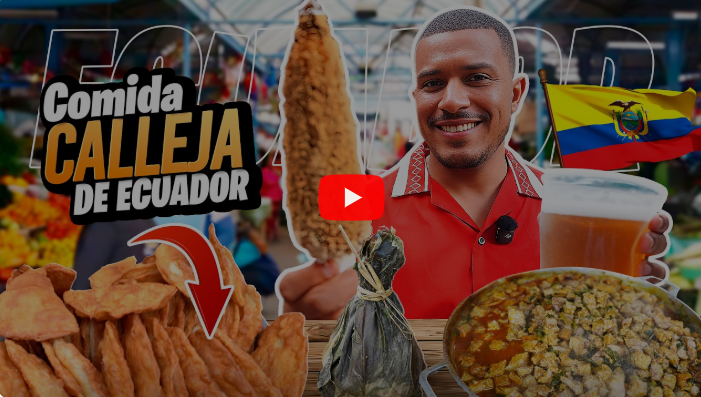
El vlogger de viajes Wander Canelo se ha sumergido en las vibrantes calles de Ecuador para explorar su rica y, en ocasiones, desafiante gastronomía callejera. El resultado es una crónica que va más allá de lo turístico, mostrando la calidez de los vendedores y la profundidad de las tradiciones culinarias, especialmente las provenientes del Oriente ecuatoriano. La experiencia se convierte en un catálogo de sabores auténticos, coronado por la degustación del manjar más exótico del país: el gusano chontacuro.
La aventura inicia con un puesto que ofrece la popular carniboa (un tipo de carne de res) y camarones fritos, servidos en un pincho mixto sobre patatas y coronado con mayonesa. El anfitrión quedó inmediatamente cautivado por el sabor del camarón, destacando su textura crujiente. Más allá de la comida, el puesto reveló una conmovedora historia de amor y perseverancia: sus propietarios comentaron que han trabajado allí durante una década y que su matrimonio ha durado 52 años, una anécdota de lealtad tan firme como las tradiciones que sirven.
Para equilibrar el bocado, el anfitrión probó una bebida de tamarindo, que el vendedor promocionaba como un elixir, excelente para el hígado y capaz de proporcionar una fuerza energética “como la de un toro”. A pesar de notar el agua de un río cercano de color turbio, el anfitrión elogió el jugo de tamarindo, calificándolo de “chulo” (delicioso). En cuanto a los aperitivos más comunes, el choclo con queso—maíz de grano grande servido con queso y mayonesa—fue otro éxito, apreciando el buen sabor y la sencillez de la combinación, que se calienta al momento.
El clímax cultural del viaje llegó con el chontacuro (gusanos de palma), un manjar tradicional de la Amazonía ecuatoriana. Los vendedores explicaron que estos gusanos se obtienen de la palma de chonta y son un alimento altamente valorado, usado tradicionalmente como remedio para el asma, la gripe y la tos. Para disipar cualquier escepticismo, una vendedora consumió un chontacuro crudo frente a la cámara, demostrando su salubridad. El anfitrión se atrevió con la versión cocinada, un pincho de gusanos asados con un toque de limón, describiendo el sabor como “riquísimo” y comparable al gusto del choclo asado o la tripasada. El mensaje fue claro: este es un plato nutritivo y un manjar ancestral, desestimando la crítica de considerarlo algo “asqueroso”.
La jornada continuó con el maito de pollo, un plato típico donde el pollo criollo (de finca, más nutritivo que el de tienda) se envuelve y cocina en hojas, sellando el sabor en un caldo exquisito. La comida concluyó con una empanada de queso, servida con un poco de azúcar, de un puesto regentado por una señora con 40 años de experiencia. Finalmente, al intentar comprar una cerveza local (Pilsener), el anfitrión aprendió una norma cultural fundamental: la ley prohíbe beber alcohol en la calle, obligando al vendedor a verter la cerveza en un vaso sin marca para evitar una multa.
La exploración de Canelo es un homenaje a la autenticidad. La comida callejera de Ecuador, con sus sabores robustos, sus historias personales y sus reglas inesperadas, se revela como un reflejo de una cultura vibrante y orgullosa.
ECUADORIAN STREET FOOD ODYSSEY: FROM CRISPY SHRIMP SKEWERS TO THE ANCIENT DELICACY OF CHONTACURO
Travel vlogger Wander Canelo embarked on an immersive journey through the bustling streets of Ecuador, documenting a deep and often surprising exploration of the country’s street food culture. The resulting chronicle offers a view beyond typical tourist fare, showcasing the genuine hospitality of local vendors and the rich culinary traditions, particularly those from the Ecuadorian Amazonian region (Oriente). The experience culminated in tasting the country’s most exotic delicacy: the chontacuro palm grubs.
The adventure began at a street stand offering carniboa (likely beef) and fried shrimp, served on a mixed skewer (pincho) with fries and a generous dollop of mayonnaise. The host was immediately impressed by the shrimp’s flavor and crunchy texture. More meaningfully, the stall provided a powerful human story: the owners revealed they had worked there for a decade and been married for 52 years, a testament to local endurance and tradition.
To cleanse the palate, the host sampled a tamarind juice, which the vendor confidently marketed as an elixir, claiming it was excellent for the liver and provided a restorative, “bull-like” strength. Despite noting the murky color of a nearby river, the host praised the tamarind juice, calling it “chulo” (great). Other initial snacks included choclo con queso (large-kernel corn served with cheese and mayonnaise), which was heated on the spot. The host appreciated the comforting simplicity and good flavor of the combination.
The cultural climax of the trip was the chontacuro (palm grubs), a traditional Amazonian delicacy. Vendors explained that these grubs are sourced from the chonta palm tree and are highly valued as a health food, traditionally used as a folk remedy for asthma, the flu, and cough. To counter any skepticism, a vendor ate a raw chontacuro on camera to demonstrate its safety and nutritional value. The host then bravely tried the cooked version—a grilled skewer served with lime—describing the taste as “riquísimo” (delicious) and comparable to roasted corn or tripasada (a savory offal dish). The host emphasized that this is a nutritious, ancestral food, dismissing the notion that it should be considered “gross.”
The day continued with the maito de pollo, a typical dish featuring criollo (free-range/farm) chicken, which is wrapped and cooked inside leaves. This method seals in the flavor, creating a rich and savory broth. The vendor noted that this criollo chicken is considered more nutritious than common store-bought varieties. The host also enjoyed a simple cheese empanada, dusted with sugar, from a vendor with 40 years of experience. Finally, upon attempting to purchase a local Pilsener beer, the host encountered a crucial local rule: public drinking is strictly prohibited. To circumvent a fine, the vendor had to pour the beer into an unmarked cup for the host to take away.
Canelo’s exploration is a profound tribute to authenticity. Ecuadorian street food, with its robust flavors, personal histories, and surprising local regulations, stands as a vibrant and proud reflection of a unique culture.