HOES OF HOPE: RARE NORTH ATLANTIC RIGHT WHALES CHEER SCIENTISTS WITH SIGNS OF REBIRTH AFTER DECADES ON THE BRINK
By Our Environmental Chronicler
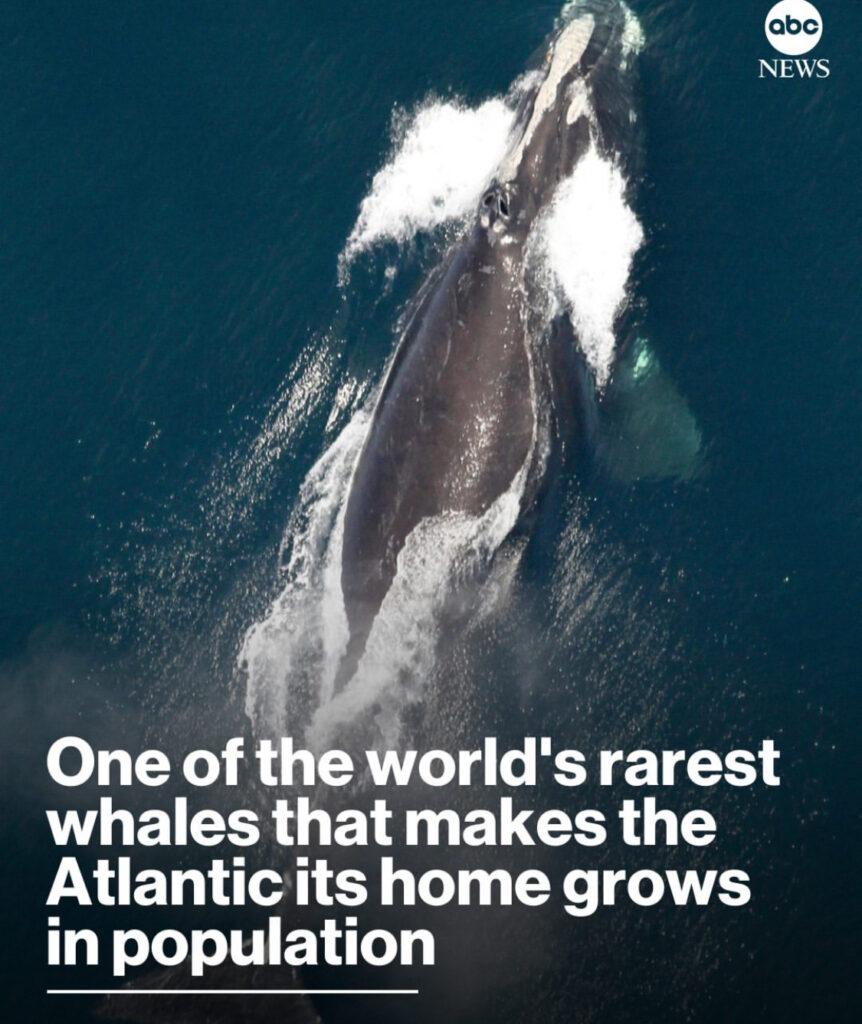
NORTH ATLANTIC WATERS – In the vast, often unforgiving expanse of the North Atlantic, a quiet triumph of conservation is unfolding, sending ripples of hope through the scientific community. The critically endangered North Atlantic Right Whale (Eubalaena glacialis), one of the planet’s rarest and most vulnerable marine mammals, has begun to show an encouraging trend of population growth, a stark turnaround after decades teetering on the precipice of extinction. This subtle but significant upturn is directly attributed to intensified, multi-faceted protection efforts, offering a powerful testament to the impact of dedicated human intervention.
For generations, the North Atlantic Right Whale has been a symbol of environmental tragedy. Hunted relentlessly during the whaling era—named “right whales” because they were the “right” whales to hunt due to their slow speed and high blubber content—their numbers plummeted to just a few hundred by the mid-20th century. In recent decades, the remaining population faced a new, insidious threat: ship strikes from booming maritime traffic and deadly entanglements in commercial fishing gear, particularly those used for lobster and crab. Each birth was celebrated, each death a profound loss, as scientists grappled with a species seemingly destined for oblivion.
However, a chronicle of renewed commitment has begun to rewrite this bleak narrative. The encouraging growth trend, though still fragile, is the direct result of a concerted international effort. Crucial regulations now mandate seasonal speed restrictions for large vessels in vital calving and feeding grounds along the East Coast of North America. These zones, carefully mapped by scientists, reduce the risk of collisions, giving the slow-moving whales a safer passage. Furthermore, innovation in fishing technology has seen the development and, in some areas, mandatory adoption of “ropeless” or “on-demand” fishing gear, designed to minimize the hundreds of miles of vertical lines that historically ensnared these giants.
These measures, often met with initial resistance from commercial industries, have proven vital. Scientists, using aerial surveys and genetic analysis, have noted an increase in successful calving seasons and a statistically significant reduction in human-caused mortality events. While the total population remains precariously low—estimated to be still under 350 individuals—every new calf, every adult spared from entanglement, is a monumental victory.
The North Atlantic Right Whale’s story is a compelling chronicle of resilience, both natural and human-driven. It serves as a living, breathing emblem of hope that even the most dire conservation challenges can be overcome with scientific rigor, regulatory courage, and unwavering public support. The gentle giants of the Atlantic are not yet out of danger, but for the first time in a very long time, their future looks a little brighter.
ECOS DE ESPERANZA: LAS RARAS BALLENAS FRANCAS DEL ATLÁNTICO NORTE ANIMAN A CIENTÍFICOS CON SEÑALES DE RENACIMIENTO TRAS DÉCADAS AL BORDE DEL ABISMO
Por Nuestro Cronista Ambiental
AGUAS DEL ATLÁNTICO NORTE – En la vasta y a menudo implacable extensión del Atlántico Norte, se está desarrollando un tranquilo triunfo de la conservación, enviando ondas de esperanza a través de la comunidad científica. La Ballena Franca del Atlántico Norte (Eubalaena glacialis), en peligro crítico y uno de los mamíferos marinos más raros y vulnerables del planeta, ha comenzado a mostrar una tendencia alentadora de crecimiento poblacional, un cambio radical después de décadas al borde de la extinción. Este repunte sutil pero significativo se atribuye directamente a esfuerzos de protección intensificados y multifacéticos, ofreciendo un poderoso testimonio del impacto de la intervención humana dedicada.
Durante generaciones, la Ballena Franca del Atlántico Norte ha sido un símbolo de tragedia ambiental. Cazadas implacablemente durante la era ballenera—llamadas “ballenas francas” porque eran las ballenas “correctas” para cazar debido a su lenta velocidad y alto contenido de grasa—sus números cayeron a solo unos pocos cientos a mediados del siglo XX. En las últimas décadas, la población restante enfrentó una nueva y sigilosa amenaza: colisiones con barcos debido al auge del tráfico marítimo y enredos mortales en artes de pesca comerciales, particularmente las utilizadas para la langosta y el cangrejo. Cada nacimiento era celebrado, cada muerte una pérdida profunda, mientras los científicos lidiaban con una especie aparentemente destinada al olvido.
Sin embargo, una crónica de compromiso renovado ha comenzado a reescribir esta sombría narrativa. La alentadora tendencia de crecimiento, aunque todavía frágil, es el resultado directo de un esfuerzo internacional concertado. Las regulaciones cruciales ahora exigen restricciones de velocidad estacionales para grandes embarcaciones en zonas vitales de cría y alimentación a lo largo de la costa este de América del Norte. Estas zonas, cuidadosamente mapeadas por científicos, reducen el riesgo de colisiones, dando a las ballenas de movimiento lento un paso más seguro. Además, la innovación en la tecnología pesquera ha visto el desarrollo y, en algunas áreas, la adopción obligatoria de artes de pesca “sin cuerdas” o “bajo demanda”, diseñadas para minimizar los cientos de kilómetros de líneas verticales que históricamente atrapaban a estos gigantes.
Estas medidas, a menudo recibidas con resistencia inicial por parte de las industrias comerciales, han demostrado ser vitales. Los científicos, utilizando estudios aéreos y análisis genéticos, han notado un aumento en las temporadas de parto exitosas y una reducción estadísticamente significativa en los eventos de mortalidad causados por humanos. Aunque la población total sigue siendo precariamente baja—se estima que todavía está por debajo de los 350 individuos—cada nueva cría, cada adulto salvado del enredo, es una victoria monumental.
La historia de la Ballena Franca del Atlántico Norte es una crónica convincente de resiliencia, tanto natural como impulsada por el ser humano. Sirve como un emblema vivo y respirante de esperanza de que incluso los desafíos de conservación más graves pueden superarse con rigor científico, coraje regulatorio y un apoyo público inquebrantable. Los gentiles gigantes del Atlántico aún no están fuera de peligro, pero por primera vez en mucho tiempo, su futuro parece un poco más brillante.