Informe revela la causa de la tragedia del OceanGate: ingeniería deficiente y advertencias ignoradas condenaron al Titán
Informe revela la causa de la tragedia del OceanGate: ingeniería deficiente y advertencias ignoradas condenaron al Titán
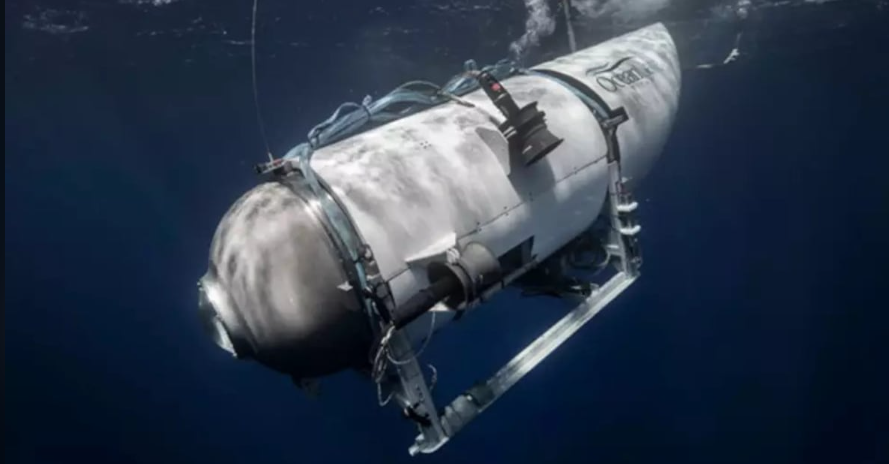
La tragedia del sumergible Titán de OceanGate, ocurrida en junio de 2023 durante una expedición turística a los restos del Titanic, ya tiene una causa oficial. Un informe presentado por la Guardia Costera de Estados Unidos y la NTSB concluyó que la implosión fatal fue consecuencia directa de fallos graves en el diseño, la certificación y el mantenimiento de la nave, sumados a la desestimación sistemática de advertencias de seguridad y una pobre cultura organizacional.
Los documentos técnicos detallan que el casco del Titán, fabricado para soportar presiones extremas con materiales como fibra de carbono, presentaba múltiples irregularidades y signos de fatiga no corregidos tras inmersiones previas. OceanGate, la compañía operadora, no realizó pruebas ni inspecciones adecuadas para garantizar la resistencia del sumergible, ni cumplió los estándares internacionales para sumergibles de pasajeros.
Uno de los factores claves señalados en la investigación fue el fallo del sistema de monitoreo en tiempo real (RTM), encargado de alertar sobre posibles riesgos estructurales. Sin embargo, el informe sostiene que este sistema “funcionaba defectuosamente desde hace meses”, lo que impidió a la tripulación detectar los daños críticos previos a la implosión.
Otro hallazgo clave fue la revelación de advertencias reiteradas: exempleados, como el ingeniero David Lochridge, habían informado desde 2018 sobre las fallas de seguridad, pero OceanGate no solo hizo caso omiso sino que despidió a quienes se opusieron. El informe resalta que la tragedia era “prevenible” y que la falta de control externo y de cultura profesional consolidó el desastre.
A bordo del sumergible viajaban el fundador y piloto de OceanGate, Stockton Rush, el explorador francés Paul-Henri Nargeolet y otros tres pasajeros que pagaron la experiencia exclusiva. El sumergible implosionó a los 90 minutos de la inmersión, causando la muerte instantánea de todos sus ocupantes.
La investigación concluye que, de haberse seguido los protocolos y escuchado las advertencias, la tragedia habría sido evitable. El caso OceanGate queda así como un recordatorio de la necesidad de controles, supervisión y rigor técnico en el turismo de exploración extrema.
ENGLISH VERSION
Revealed: Faulty Engineering and Ignored Warnings Caused the OceanGate Titan Tragedy, Official Report Finds
The cause of the OceanGate Titan sub disaster that claimed five lives in June 2023 during a Titanic exploration has now been officially identified. Reports from the U.S. Coast Guard and the National Transportation Safety Board (NTSB) found that catastrophic design flaws, lack of proper testing, and ignored safety warnings were directly responsible for the deadly implosion.
Technical documents detail how Titan’s pressure hull, built with carbon fiber meant for extreme depths, showed irregularities and fatigue signs from earlier dives. OceanGate failed to conduct the necessary inspections and maintenance to ensure the sub’s integrity, disregarding both industry and international standards for passenger submersibles.
A major contributing factor was the failure of the Real-Time Monitoring (RTM) system, intended to alert the crew to structural risks as they occurred. The investigation found that this system “had been malfunctioning for months,” leaving the crew unaware of critical damage until it was too late.
The report also highlights repeated ignored warnings: Whistleblowers like former engineer David Lochridge had flagged serious safety issues as early as 2018, only to be dismissed by management unwilling to change course. Officials called the disaster “preventable,” laying blame on OceanGate’s leadership, lack of external oversight, and weak safety culture.
On board were OceanGate’s founder and pilot Stockton Rush, Titanic expert Paul-Henri Nargeolet, and three other paying passengers. The sub imploded 90 minutes into its descent, instantly killing all inside.
Investigators concluded that had protocols been followed and warnings heeded, the tragedy could have been avoided. The OceanGate case now stands as a warning about the vital importance of oversight, standards, and professionalism in the high-risk world of extreme exploration tourism.