LA CRÓNICA DEL HORROR AÉREO: ONCE MUERTOS EN LA COSTA DE KENIA EN EL VUELO TURÍSTICO HACIA EL MASÁI MARA
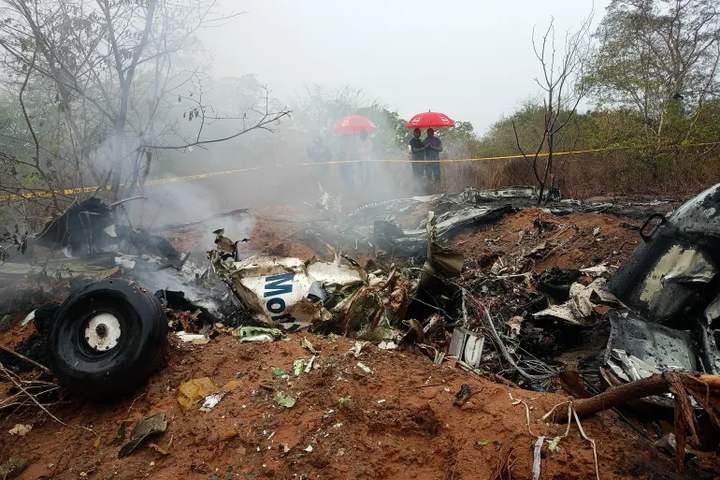
En la mañana brumosa y cargada de lluvia de la región costera de Kwale, Kenia, la promesa de una aventura en la legendaria Reserva Nacional Masái Mara se convirtió en una tragedia aérea de proporciones devastadoras. Un avión ligero que transportaba turistas extranjeros se estrelló cerca de la costa del Océano Índico, cobrando la vida de las once personas a bordo. El incidente, ocurrido alrededor de las 8:30 a.m. (05:30 GMT) del martes, ha sacudido a la industria del turismo del país y ha puesto de relieve la fragilidad de las operaciones aéreas en condiciones climáticas adversas y en rutas de alta demanda.
La aerolínea, Mombasa Air Safari, confirmó la noticia con un comunicado sombrío, indicando la ausencia de supervivientes entre la tripulación y los pasajeros. El avión llevaba a diez turistas de origen europeo: ocho ciudadanos húngaros y dos alemanes, además del piloto keniano que dirigía el vuelo. Todos los pasajeros eran turistas ansiosos por presenciar la famosa migración anual de ñus que convierte al Masái Mara en un imán global para los viajeros de safaris.
El lugar del accidente, una zona montañosa y boscosa a unos 40 kilómetros (25 millas) de la popular pista de aterrizaje de Diani, fue testigo de una escena de destrucción total. El comandante de policía regional, en declaraciones a la emisora pública Kenya Broadcasting Corporation, describió cómo el avión estalló en llamas tras el impacto. El resultado fue un amasijo de restos carbonizados. Testigos presenciales, citados por The Associated Press, relataron haber escuchado un fuerte estruendo antes de la aparición del humo, y al llegar, solo encontraron restos humanos, muchos de ellos quemados “hasta quedar irreconocibles”, según reportó la cadena Citizen TV.
Esta catástrofe ha impuesto una prueba desgarradora para las familias de las víctimas y ha activado inmediatamente a las agencias de investigación. El comisionado del condado de Kwale, Stephen Orinde, aseguró que los equipos forenses están examinando la causa del siniestro, teniendo en cuenta que se reportaron fuertes lluvias en la zona costera esa mañana. Sin embargo, la investigación no solo se centrará en el clima o en el fallo mecánico, sino que también reavivará las preocupaciones de seguridad aérea que han rondado a Kenia.
Según una auditoría de supervisión de seguridad realizada por la Organización de Aviación Civil Internacional (OACI) en 2018, Kenia se encontraba por debajo del promedio global en el área crucial de investigación de accidentes. Este historial, ahora agravado por la pérdida de once vidas en una ruta turística vital, plantea serias preguntas sobre si se han abordado las deficiencias regulatorias y operativas desde esa evaluación.
Mientras los cuerpos de los turistas húngaros y alemanes, junto con el del valiente piloto keniano, son recuperados e identificados, la costa de Kenia, conocida por su belleza paradisíaca y sus playas de arena, se enfrenta a la dolorosa tarea de gestionar una de las peores tragedias aéreas que ha golpeado a su sector turístico en años. Es una crónica de un viaje que terminó prematuramente, dejando once familias en duelo y una nación con la obligación de investigar y garantizar la seguridad de su cielo. La ruta de dos horas desde Diani al Masái Mara, que debía ser de asombro y vida salvaje, ahora será recordada como el camino hacia la fatalidad.
SKY FALL OVER KWALE: ELEVEN KILLED AS TOURIST FLIGHT CRASHES EN ROUTE TO MAASAI MARA, SHOCKING KENYA’S COAST
In the misty, rain-laden morning of Kenya’s coastal Kwale region, the promise of adventure in the legendary Maasai Mara National Reserve tragically dissolved into an aerial catastrophe. A light plane carrying foreign tourists crashed near the Indian Ocean coast, claiming the lives of all eleven people on board. The incident, which occurred around 8:30 a.m. (05:30 GMT) on Tuesday, has sent shockwaves through the country’s tourism industry, underscoring the dangers of aerial operations amidst inclement weather and on high-demand routes.
The airline, Mombasa Air Safari, issued a grim statement confirming the absence of survivors among the crew and passengers. The aircraft was transporting ten European tourists: eight Hungarian nationals and two Germans, in addition to the Kenyan pilot guiding the flight. All passengers were tourists eager to witness the famous annual wildebeest migration that makes the Maasai Mara a global magnet for safari travelers.
The crash site, a hilly and forested area approximately 40 kilometers (25 miles) from the popular Diani airstrip, bore witness to a scene of total destruction. The regional police commander, in comments aired by the public broadcaster Kenya Broadcasting Corporation, described how the plane burst into flames upon impact. The result was a mass of charred wreckage. Eyewitnesses, quoted by The Associated Press news agency, reported hearing a loud bang before the smoke appeared, and upon arriving, they found human remains, many of them burned “beyond recognition,” as reported by Citizen TV station.
This catastrophe imposes a harrowing test on the victims’ families and has immediately activated investigative agencies. Kwale County Commissioner Stephen Orinde confirmed that forensic teams are examining the cause of the disaster, noting that heavy rain was reported in the coastal area that morning. However, the investigation will not only focus on the weather or mechanical failure but will also revive persistent air safety concerns surrounding Kenya.
According to a safety oversight audit conducted by the International Civil Aviation Organization (ICAO) in 2018, Kenya was found to be below the global average in the crucial area of accident investigation. This history, now compounded by the loss of eleven lives on a vital tourist route, raises serious questions about whether regulatory and operational deficiencies have been addressed since that evaluation.
While the bodies of the Hungarian and German tourists, along with the brave Kenyan pilot, are recovered and identified, the coast of Kenya, known for its paradisiacal beauty and sandy beaches, faces the painful task of managing one of the worst aerial tragedies to hit its tourism sector in years. It is a chronicle of a journey that ended prematurely, leaving eleven families in mourning and a nation with the obligation to investigate and guarantee the safety of its skies. The two-hour route from Diani to the Maasai Mara, which should have been one of wonder and wildlife, will now be remembered as the path to fatality.