THE VOTE THAT CHANGED HISTORY: SINGLE BALLOT DECIDES CANADIAN ELECTION, SPARKING LEGAL AND CONSTITUTIONAL CRISIS
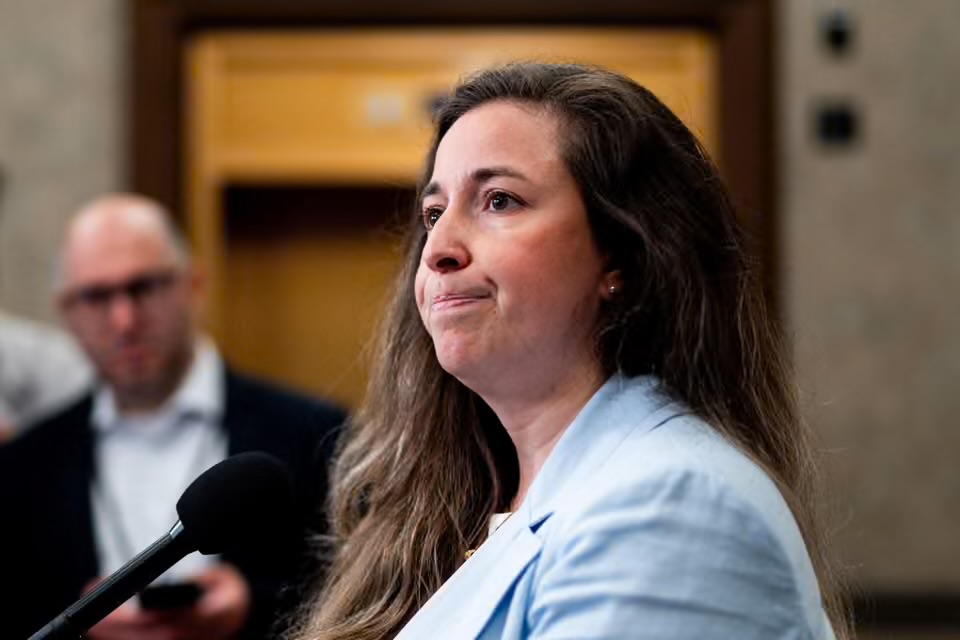
Montreal, QC – October 21, 2025 – A stunning one-vote margin in a Quebec federal election has thrust the Canadian political system into turmoil and raised fundamental questions about the sanctity of every ballot. The electoral district of Terrebonne, a suburb north of Montreal, has become the epicenter of a dramatic legal battle after a final judicial recount awarded the seat to Liberal candidate Tatiana Auguste by the narrowest possible lead: 23,352 votes to 23,351 for the incumbent Bloc Québécois candidate, Nathalie Sinclair-Desgagné.
The April election was initially defined by chaos. Following the initial vote tally, Auguste was projected to win by 35 votes. Days later, an official validation process flipped the result, declaring Sinclair-Desgagné the victor with a 44-vote advantage. The excruciatingly close margin, falling under the legal threshold of 0.1% of valid votes, automatically triggered a judicial recount, which ultimately settled on the final, razor-thin single-vote decision in favor of the Liberal challenger.
The drama escalated immediately when local resident Emmanuelle Bossé came forward, claiming her vote was unjustly omitted from the final count. Bossé asserted she had voted for Sinclair-Desgagné via a mailed ballot, but it was returned to her due to a postal code error—an error she insists was caused by Elections Canada’s own glued-on address label. Her uncounted ballot, which alone would have created a tie and potentially forced another dramatic procedure, is now at the heart of the legal challenge.
The case, currently before a Quebec court judge, carries immense weight. Stéphane Chatigny, lawyer for Sinclair-Desgagné, argued that Bossé’s Charter rights were violated and that upholding the flawed result would send a “disastrous message to voters that some votes count more than others.” He emphasized that such an outcome would “permanently undermine public confidence” in the democratic process. The court is reviewing the case against a 2012 Supreme Court precedent, which requires proof that ineligible votes could have changed the outcome to annul an election.
Adding to the intensity are the high political stakes: the governing Liberal Party currently holds 169 seats, just three shy of the 172 needed for a parliamentary majority. The fate of one single seat in Terrebonne could therefore significantly impact the balance of power in Ottawa. As the court deliberations continue, the nation waits to see whether the result will stand, or if this single, controversial ballot will force a historic re-vote.
EL VOTO QUE CAMBIÓ LA HISTORIA: UNA SOLA PAPELETA DECIDE UNA ELECCIÓN CANADIENSE, PROVOCANDO UNA CRISIS LEGAL Y CONSTITUCIONAL
Montreal, QC – 21 de octubre de 2025 – Un asombroso margen de un solo voto en una elección federal de Quebec ha sumido al sistema político canadiense en la confusión y ha planteado preguntas fundamentales sobre la santidad de cada papeleta. El distrito electoral de Terrebonne, un suburbio al norte de Montreal, se ha convertido en el epicentro de una dramática batalla legal después de que un recuento judicial final otorgara el escaño a la candidata Liberal Tatiana Auguste por el margen más estrecho posible: 23.352 votos frente a 23.351 de la candidata en ejercicio del Bloc Québécois, Nathalie Sinclair-Desgagné.
La elección de abril estuvo inicialmente definida por el caos. Después del recuento inicial de votos, se proyectó que Auguste ganaría por 35 votos. Días después, un proceso de validación oficial dio un giro al resultado, declarando ganadora a Sinclair-Desgagné con una ventaja de 44 votos. El margen agonizantemente estrecho, al caer por debajo del umbral legal del 0,1% de los votos válidos, desencadenó automáticamente un recuento judicial, que finalmente se decidió por la última y delgadísima diferencia de un solo voto a favor de la contendiente Liberal.
El drama se intensificó inmediatamente cuando la residente local Emmanuelle Bossé se presentó, alegando que su voto fue omitido injustamente del recuento final. Bossé afirmó que había votado por Sinclair-Desgagné mediante una papeleta enviada por correo, pero le fue devuelta debido a un error en el código postal, un error que ella insiste fue causado por la propia etiqueta de dirección pegada por Elections Canada. Su voto no contabilizado, que por sí solo habría creado un empate y potencialmente forzado otro procedimiento dramático, es ahora el núcleo del desafío legal.
El caso, actualmente ante un juez del tribunal de Quebec, tiene un peso inmenso. Stéphane Chatigny, abogado de Sinclair-Desgagné, argumentó que se violaron los derechos de la Carta de Bossé y que mantener el resultado defectuoso enviaría un “mensaje desastroso a los votantes de que algunos votos cuentan más que otros”. Enfatizó que tal resultado “socavaría permanentemente la confianza pública” en el proceso democrático. El tribunal está revisando el caso a la luz de un precedente de la Corte Suprema de 2012, que requiere pruebas de que los votos no elegibles podrían haber cambiado el resultado para anular una elección.
A la intensidad se suman los altos riesgos políticos: el gobernante Partido Liberal actualmente tiene 169 escaños, solo tres menos de los 172 necesarios para una mayoría parlamentaria. El destino de un solo escaño en Terrebonne podría, por lo tanto, afectar significativamente el equilibrio de poder en Ottawa. Mientras continúan las deliberaciones judiciales, la nación espera ver si el resultado se mantendrá o si esta única y controvertida papeleta forzará una repetición histórica de la votación.