LA FRÁGIL TREGUA SE DERRUMBA: ATAQUES MORTALES EN GAZA DESENCADENAN UNA CRISIS DIPLOMÁTICA
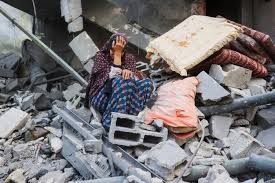
El frágil alto el fuego entre Israel y Hamás ha enfrentado su prueba más grave tras una masiva escalada de violencia durante el fin de semana. El 20 de octubre de 2025, Israel lanzó oleadas de ataques aéreos letales en toda Gaza y, de manera crucial, anunció la suspensión de toda la ayuda humanitaria a la franja “hasta nuevo aviso.” Estas acciones fueron una respuesta directa a un ataque de Hamás que provocó la muerte de dos soldados israelíes, incluido un oficial.
Los ataques aéreos de represalia de las Fuerzas de Defensa de Israel (FDI) tuvieron un costo considerable para el lado palestino. Funcionarios en Gaza informaron que al menos 28 personas murieron en los bombardeos, lo que representa una violación significativa de la tregua firmada en Sharm el-Sheikh, Egipto, a principios de este mes. El rápido y mortal intercambio de fuego ha desatado temores de que la precaria paz, lograda a través de una intensa diplomacia regional, esté al borde del colapso total. La situación se complicó aún más por los informes de personal médico que indicaban que disparos israelíes también habían matado a tres personas cerca de la línea de alto el fuego el lunes.
Las secuelas inmediatas vieron un intenso “frenesí” diplomático en todo el Medio Oriente. Un alto funcionario egipcio confirmó que se estaban llevando a cabo contactos “las 24 horas del día”, con potencias regionales trabajando desesperadamente para reducir la tensión. El objetivo principal de estas comunicaciones urgentes es apuntalar el acuerdo y evitar un retorno a una guerra a gran escala. Una señal de cautelosa esperanza surgió después de que tanto el ejército israelí como Hamás emitieran declaraciones separadas reafirmando públicamente su compromiso con el acuerdo de alto el fuego.
La crisis también ha provocado la participación de alto nivel de los Estados Unidos. Se espera que altos funcionarios estadounidenses, potencialmente incluido el vicepresidente JD Vance, lleguen a Israel en los próximos días. Los observadores creen que esta visita representa un esfuerzo claro y directo por parte de Washington para obligar al Primer Ministro Benjamin Netanyahu a cumplir con el acuerdo.
La intervención diplomática es fundamental, ya que la comunidad internacional compite contra el tiempo para reforzar el marco político y de seguridad del acuerdo antes de que la violencia se salga de control de forma irrevocable. La reanudación de los ataques mortales y la suspensión estratégica de la ayuda subrayan un entorno de alto riesgo donde una paz duradera sigue siendo profundamente esquiva.
THE CEASEFIRE SHATTERS: DEADLY GAZA STRIKES FORCE INTERNATIONAL EMERGENCY
The already fragile ceasefire between Israel and Hamas has been subjected to its most severe test yet, following a massive escalation of violence over the weekend. On October 20, 2025, Israel launched waves of lethal airstrikes across Gaza and, critically, announced the suspension of all humanitarian aid to the strip “until further notice.” These escalations were in direct response to an attack by Hamas that resulted in the deaths of two Israeli soldiers, including an officer.
The retaliatory strikes by the Israeli Defence Forces (IDF) exacted a heavy toll on the Palestinian side. Officials in Gaza reported that at least 28 people were killed in the bombings, marking a significant breach of the truce signed in Sharm el-Sheikh, Egypt, earlier this month. The rapid and deadly back-and-forth raises fears that the fragile peace, achieved through intensive regional diplomacy, is on the brink of complete collapse. The situation was further compounded by reports from medics that Israeli fire had also killed three people near the ceasefire line on Monday.
The immediate aftermath saw an intense diplomatic “scramble” across the Middle East. A senior Egyptian official confirmed that “round-the-clock” contacts were underway, with regional powers desperately working to de-escalate the situation. The primary goal of these urgent communications is to shore up the agreement and prevent a return to full-scale war. A cautious sense of hope emerged after both the Israeli military and Hamas issued separate statements publicly reaffirming their commitment to the ceasefire agreement.
The crisis has also prompted high-level involvement from the United States. Senior US officials, with Vice-President JD Vance potentially among them, are expected to arrive in Israel in the coming days. Observers believe this visit represents a clear and direct effort by Washington to hold Prime Minister Benjamin Netanyahu to the deal.
The diplomatic intervention is crucial, as the international community races against time to reinforce the political and security framework of the agreement before the violence spirals irrevocably out of control. The resumption of deadly strikes and the strategic halt of aid underscore the high-stakes environment where a lasting peace remains deeply elusive.